Story: Structured environment
Structured environments
Structured environmentA little construction does wonders for outdoor settings
09:51 AM CDT on Friday, August 18, 2006By CARLA JORDAN / Special Contributor to The Dallas Morning News
Imagine a ground-level treehouse for grown-ups. Outdoor structures provide the same sanctuary and more, granting a lovely transition from indoors to outside. Visually, they lend architectural shape to the yard and establish design focal points. Practically, they deliver much-needed shade on sunny days. Here are ideas for augmenting your outdoor looks in a variety of styles and budgets.
Carla Jordan is an Irving freelance writer.
Arches, arbors and pergolas
On a budget? Give arches, arbors and pergolas a try. Available in many sizes, these structures, when covered with climbing roses and vines, lend colorful architectural shape to a garden or yard. Arches are illusionary tricks of the trade used to create a doorway entrance. Pergolas and arbors are simple shade structures that filter the sun while letting cool breezes through; they're ideal for lounging areas. Mostly sold as kits, these structures are a DIYer's dream.
Gazebos
Gazebos are free-standing roofed structures, open on all sides. More substantial, longer-lasting and pricier than pergolas and arbors, they provide shade and protection from rain, making them favorites for picnics and other activities.
The newest trend is to house outdoor spas in them. Low-maintenance vinyl gazebos are very popular.
Garden houses
These free-standing little houses mimic their full-size counterparts with solid roofs, walls, floor and custom features like copper roofs and operable divided-light windows. Garden houses are trendy for use as artist studios, garden dining rooms and waterside retreats.
Conservatories
From 19th-century Victorian England came the conservatory, th! e ultima te room with a view. Originally a grand greenhouse, this is a free-standing or attached glass structure supported by a sturdy, elaborate frame. Conservatories are back in vogue, having shaken their stuffy wicker-and-fern image and now often designed as a dining room, family room, home gym or spa with swimming pool.
Traditionally pegged for cooler regions, conservatories are finding their way South, customized for warm climates. Other trends include installing decorative draperies and shades that can be drawn during the heat of the day and extending whole-home heating and air-conditioning systems for year-round climate control.
SHOPPING TIPS
Investment strategy: Whether you start with a simple arch or plunk down the bucks for a magnificent conservatory, experts offer the same tip: Buy for the long term.
Quality counts. "The best materials are durable ones," says Christopher Peeples, president and founder of Vixen Hill, a maker of garden houses, gazebos and other structures. "They include cedar or redwood with brass and/or stainless steel fasteners. Skimping in material quality will eventually come back to haunt you."
Online: Want to shop and compare without burning time or gas? A growing number of these structures are sold online and via catalogs to save manufacturers brick-and-mortar store space. Many are shipped flat for assembly by homeowners or general contractors. Custom conservatories are delivered to the front door by skilled installers who travel nationwide.
Resources: The Western Red Cedar Lumber Association's Web site (www.wrcla.org) has info about outdoor structures, including design ideas for arbors, trellises, pergolas, fences, gates and gazebos. DECO DETAILS: 'Oak Park' steel arch ($329), gate ($99) and trellises ($89-$139) add a bit of art deco to a landscape. Smith & Hawken, Dallas; www.smithandhawken.com. ">DECO DETAILS: 'Oak Park' steel arch ($329), gate ($99) and trellises ($89-$139) add a bit of art deco to a landscape. Smith & Hawken, Dallas; www.smithandhawken.com. // Image1 end --> FOR SWINGERS: 'Plantation' cedar arbor with 6-foot swing ($2,289); Walpole Woodworkers catalog, 1-800-343-6948; www.walpolewoodworkers.com. ">FOR SWINGERS: 'Plantation' cedar arbor with 6-foot swing ($2,289); Walpole Woodworkers catalog, 1-800-343-6948; www.walpolewoodworkers.com. // Image2 end --> MADE FOR THE SHADE: Danove 4-foot traditional cedar arbor ($579) provides fragrant seating; special-order at Water Gardens Galore, Dallas; 214-956-7382. ">MADE FOR THE SHADE: Danove 4-foot traditional cedar arbor ($579) provides fragrant seating; special-order at Water Gardens Galore, Dallas; 214-956-7382. // Image3 end --> SIMPLY DIVINE: This custom-designed conservatory provides a colorful focal point and added living space to a smaller-scale home. Renaissance Conservatories, 1-800-882-4657. ">SIMPLY DIVINE: This custom-designed conservatory provides a colorful focal point and added living space to a smaller-scale home. Renaissance Conservatories, 1-800-882-4657. // Image4 end --> BEST OF BOTH WORLDS: 'Superior' double-roof vinyl gazebo kit ($3,990-$16,225) combines vinyl and wood. Cedar, asphalt or rubber slate roof. www.backyardamerica.com.">BEST OF BOTH WORLDS: 'Superior' double-roof vinyl gazebo kit ($3,990-$16,225) combines vinyl and wood. Cedar, asphalt or rubber slate roof. www.backyardamerica.com. // Image5 end -->
Wednesday, August 23, 2006
Sensory disorders can affect children's behavior
By BILL RADFORD
The (Colorado Springs) Gazette
Margo Wells and her husband had always regarded their son, Jacob, as an intense child.
"As a baby, he squirmed a lot when you held him," Wells says. "You could tell he didn't like to be held."
He also didn't sleep much and resisted when it was time to change clothes or take a bath. "He was pretty happy; he just seemed to always be alert," his mother says.
His behavior became more of an issue when he started preschool.
"He would scream at the other kids and hit them, and you could tell he was overwhelmed," his mother says.
At age 3, Jacob was diagnosed with sensory-processing disorder, which affects a person's ability to interpret and respond to the information he or she receives through the senses.
The disorder, first called sensory integration dysfunction, covers a broad range of problems. Some children are hypersensitive, unable to cope with the noise of a crowded room or driven to a tantrum by the feel of a tag in a shirt. Others are underresponsive and seek out stimuli, such as the noise from a washing machine, or have motor-skill delays because of problems processing sensory information.
A controversial diagnosis
A link between sensory issues and behavior was pioneered by Jean Ayres, a psychologist and occupational therapist who brought the disorder to light in Sensory Integration and Learning Disorders in 1972. A quarter-century later, sensory-processing disorder is not recognized by the DSM, or Diagnostic and Statistical Manual of Mental Disorders, which is commonly used to diagnose mental disorders. And some insurance companies don't cover sensory-integration therapy, calling it experimental.
"Sensory-processing problems are very real, and they can be extremely debilitating," says Michael Kisley, an assistant professor of psychology at the University of Colorado at Colorado Springs who researches sensory issues. But sensory-processing disorder remains a controversial diagnosis, he says. More research is needed to show whether it is separate from other disorders with sensory-processing components, such as autism and attention deficit hyperactivity disorder, or ADHD.
Rebecca Hendricks, an occupational therapist in pediatric rehabilitation, says she sees more referrals from doctors citing sensory-processing disorder or sensory issues as the problem.
"It's probably one of the most frustrating diagnoses you can have, because it's not static," she says. Problems may overlap, or children may swing from one type of sensory-processing disorder to another, she says.
"I think the hypersensitive kids get recognized more often because it gets in the way of their daily life more," she says.
How it looks in adults
Adults can have sensory-processing issues, too, but they're less likely to be recognized because adults learn to cope, partly by avoiding certain situations, Kisley says.
That's one thing her son, now 5, is learning, Margo Wells says. They recently went to a local family fun center. She could tell Jacob was having difficulty coping at the center, but he avoided a meltdown.
"When we were walking to the car, he said, 'I don't think it's a good idea for me to come back here.'"
Adults have greater control over their environment. Kids with sensory-processing disorder who seek to control their environment may be criticized as manipulative, says Tami Lamphere, an occupational therapist at the Child Development Center of Colorado Springs, Colo. But those kids -- from the infant who can't stand anyone's touch except Mom's to the child who can't seem to handle a change in routine -- are simply trying to control a sensory bombardment that may be unbearable to them.
The KID Foundation, http://www.kidfoundation.org/,
303-794-1182
Red flags
There are several forms of sensory-processing disorder. Here are the signs of some:
Sensory overresponsiveness: Child bothered by noise in a restaurant, mall or gymnasium; any loud, unexpected sounds; feeling crumbs on his mouth; food textures; fuzzy or furry textures; playing on swings and slides. Typically irritable, fussy and moody. Aggressive or impulsive when overwhelmed by sensory stimulation.
Sensory underresponsiveness: Child doesn't seem to notice when someone touches him or her, doesn't cry when seriously hurt, prefers sedentary activities. Typically passive and withdrawn.
Sensory seeking: On the move constantly, loves to play music and television at extremely high volumes, seeks opportunities to feel vibrations such as leaning against stereo speakers or the washer and dryer. May be angry or even explosive when required to sit still. Typically intense and demanding.
Sensory-discrimination disorder: Child has difficulty judging how much force is required for a task or telling what is in his hands without looking. Trouble identifying sounds or following directions. Aversion to playing with puzzles or other visual games.
SOURCE: "Sensational Kids, Hope and Help for Children With Sensory Processing Disorder," by Lucy Jane Miller
-- The Gazette
By BILL RADFORD
The (Colorado Springs) Gazette
Margo Wells and her husband had always regarded their son, Jacob, as an intense child.
"As a baby, he squirmed a lot when you held him," Wells says. "You could tell he didn't like to be held."
He also didn't sleep much and resisted when it was time to change clothes or take a bath. "He was pretty happy; he just seemed to always be alert," his mother says.
His behavior became more of an issue when he started preschool.
"He would scream at the other kids and hit them, and you could tell he was overwhelmed," his mother says.
At age 3, Jacob was diagnosed with sensory-processing disorder, which affects a person's ability to interpret and respond to the information he or she receives through the senses.
The disorder, first called sensory integration dysfunction, covers a broad range of problems. Some children are hypersensitive, unable to cope with the noise of a crowded room or driven to a tantrum by the feel of a tag in a shirt. Others are underresponsive and seek out stimuli, such as the noise from a washing machine, or have motor-skill delays because of problems processing sensory information.
A controversial diagnosis
A link between sensory issues and behavior was pioneered by Jean Ayres, a psychologist and occupational therapist who brought the disorder to light in Sensory Integration and Learning Disorders in 1972. A quarter-century later, sensory-processing disorder is not recognized by the DSM, or Diagnostic and Statistical Manual of Mental Disorders, which is commonly used to diagnose mental disorders. And some insurance companies don't cover sensory-integration therapy, calling it experimental.
"Sensory-processing problems are very real, and they can be extremely debilitating," says Michael Kisley, an assistant professor of psychology at the University of Colorado at Colorado Springs who researches sensory issues. But sensory-processing disorder remains a controversial diagnosis, he says. More research is needed to show whether it is separate from other disorders with sensory-processing components, such as autism and attention deficit hyperactivity disorder, or ADHD.
Rebecca Hendricks, an occupational therapist in pediatric rehabilitation, says she sees more referrals from doctors citing sensory-processing disorder or sensory issues as the problem.
"It's probably one of the most frustrating diagnoses you can have, because it's not static," she says. Problems may overlap, or children may swing from one type of sensory-processing disorder to another, she says.
"I think the hypersensitive kids get recognized more often because it gets in the way of their daily life more," she says.
How it looks in adults
Adults can have sensory-processing issues, too, but they're less likely to be recognized because adults learn to cope, partly by avoiding certain situations, Kisley says.
That's one thing her son, now 5, is learning, Margo Wells says. They recently went to a local family fun center. She could tell Jacob was having difficulty coping at the center, but he avoided a meltdown.
"When we were walking to the car, he said, 'I don't think it's a good idea for me to come back here.'"
Adults have greater control over their environment. Kids with sensory-processing disorder who seek to control their environment may be criticized as manipulative, says Tami Lamphere, an occupational therapist at the Child Development Center of Colorado Springs, Colo. But those kids -- from the infant who can't stand anyone's touch except Mom's to the child who can't seem to handle a change in routine -- are simply trying to control a sensory bombardment that may be unbearable to them.
The KID Foundation, http://www.kidfoundation.org/,
303-794-1182
Red flags
There are several forms of sensory-processing disorder. Here are the signs of some:
Sensory overresponsiveness: Child bothered by noise in a restaurant, mall or gymnasium; any loud, unexpected sounds; feeling crumbs on his mouth; food textures; fuzzy or furry textures; playing on swings and slides. Typically irritable, fussy and moody. Aggressive or impulsive when overwhelmed by sensory stimulation.
Sensory underresponsiveness: Child doesn't seem to notice when someone touches him or her, doesn't cry when seriously hurt, prefers sedentary activities. Typically passive and withdrawn.
Sensory seeking: On the move constantly, loves to play music and television at extremely high volumes, seeks opportunities to feel vibrations such as leaning against stereo speakers or the washer and dryer. May be angry or even explosive when required to sit still. Typically intense and demanding.
Sensory-discrimination disorder: Child has difficulty judging how much force is required for a task or telling what is in his hands without looking. Trouble identifying sounds or following directions. Aversion to playing with puzzles or other visual games.
SOURCE: "Sensational Kids, Hope and Help for Children With Sensory Processing Disorder," by Lucy Jane Miller
-- The Gazette

Tuesday, August 22, 2006
Lesson 1: Make your own luck
Successful people create their own opportunities.
By Ryan D'Agostino, Money Magazine senior editor
August 22 2006: 11:27 AM EDT
NEW YORK (Money Magazine) -- Ever drive through a really wealthy neighborhood and wonder how those people got there? Sure, some inherited their way to the top, but once you put aside your initial envy you know that's not true of most of them. These people made it.
Imagine if you could just park the car, walk up to a fabulous house, ring the bell and ask the owners for the secrets of financial success. That's where I found myself one day earlier this year: standing in the driveway of a towering waterfront home in Westport, Conn. (06880).
Harvey Jason's Hollywood bookshop has been, accidentally, a runaway success.
More from Money Magazine
Home Depot & Lowe's: The right price
The right return
The best retirement plan...is simple
Best Places to Live
Current Issue
Subscribe to Money
More from Money
Don't gamble with retirement
A key part of planning is amassing enough money that can last a lifetime. So be on the safe side when it comes to life expectancy. (more)
America's Best Stocks
Michael Sivy's take on the stocks that matter most. (more)
The promised land. I rang. A pretty blond woman, around 50, cracked the storm door. I explained that I was searching for the secrets of success.
She stared, shrugged, asked if I was a psycho and bumped the door open with her knee. I walked into a living room filled with white light bouncing off the water.
As Carole Reichhelm clutched a coffee mug with both hands, she leaned against her kitchen counter and asked, "Okay, what do you want to know?"
This was the first day of a cross-country tour that had me ringing bells, slipping through gates and cajoling housekeepers over intercoms in five of America's most exclusive zip codes.
Most people, of course, didn't want to talk. And I'll never know whether the owners of the large guard dog that chased me down a private road near Reichhelm's place felt like sharing their secrets.
My guess is they keep to themselves. On the other hand, I did enjoy $20-a-glass Chardonnay while chatting with one of the richest women in Paradise Valley, Ariz. (85253) as the sun set over Camelback Mountain. A few weeks later, on St. Patrick's Day, I ate corned beef prepared by a Silicon Valley CEO's private chef (94027).
All in all, I walked some 20 miles, rang more than 200 doorbells, almost got run over by three dozen SUVs, and spoke with 23 people who showed me that while accumulating vast sums of money isn't easy, it's a lot more possible than you probably think.
Figuring out the lessons in their stories took a good bit of reflection after my tour was done, but here's an overarching observation that will become clear as you follow my travels: The fact that these millionaires were willing to open their doors at all explains a lot about how they got where they are.
As for what they had to say, well, these are good people to listen to. I know. I've seen their houses.
How Harvey Jason made his own luck
One of my most significant encounters, as it turned out, occurred not in a house but in a tiny shop called Mystery Pier Books, down a little alley off Sunset Boulevard. I stopped in to get out of the heat, and inside I found Harvey Jason, the affable British expatriate who owns the place.
I told him about my walking tour, and his eyes lit up.
Jason, 66, had a 40-year career as a character actor in television and movies, and he could easily play the part of a soothsayer who lives deep in some medieval forest: He's small and good-natured, with a soft voice that suggests both wisdom and curiosity. (Incidentally, we're cheating a bit here; Jason lives and works a few blocks outside 90210 proper. But we're not holding that against him.)
Jason knows everybody in the business (he's married to Pamela Franklin, who once died on-screen in Brando's arms), but a decade ago he decided that he was ready to ease into a retirement gig.
He was in Eureka, Calif., of all places, when he had the revelation, filming Steven Spielberg's The Lost World: Jurassic Park, in which he played a dinosaur tracker. Jason had visited a bookstore and was examining his loot when Spielberg looked over his shoulder.
"Steven, I'm going to open a bookstore," Jason told the director. "I'm doing it."
Jason was comfortable, but he didn't want to lose money on a new undertaking.
Soon after opening Mystery Pier, he dedicated a corner to books that had been made into films - marrying the two things he was passionate about. He spread the word among that vast network he had built up, and business took off as Hollywood A-listers stopped in for first editions of books that they or their friends had made into movies.
Robin Williams, Jude Law and Bono became regulars. When I went in, Jason had everything from a full set of the Harry Potter books signed by J.K. Rowling ($40,000) to Humphrey Cobb's Paths of Glory inscribed by the star of the film version, Kirk Douglas ($6,500).
"It was really an inadvertent thing," Jason said of the profitable market niche he had stumbled on. After a moment, he added, "If I made a list of all the things in life I thought were coincidences and then looked back at them, I would see that they weren't coincidences at all."
Exactly.
Jason exemplifies the traits that British researcher Richard Wiseman ascribed to lucky people in a 2003 article called The Luck Factor: "They are skilled at creating and noticing chance opportunities, make lucky decisions by listening to their intuition, create self-fulfilling prophecies via positive expectations, and adopt a resilient attitude that transforms bad luck into good."
In one experiment, Wiseman asked two groups of people - one who described themselves as generally lucky and one who said they were usually unlucky - to count the photographs in a newspaper. The unluckies spent several minutes flipping through and counting the photos. The lucky people got it in a few seconds. How? On page 2, Wiseman had inserted a message in giant headline type: "Stop counting - There are 43 photographs in this newspaper."
The lucky people, always on the lookout for unexpected good fortune, spotted it right away. The unlucky people, whose minds are closed to such signs, missed it completely.
Jason would have gotten the message.
_________________________________
Lesson 1: Make your own luck...Beverly Hills, Calif. 90210
Lesson 1, Corollary 1: Make others lucky too...Paradise Valley, Ariz. 85253
Lesson 2: Have a growth mind-set...Westport, Conn. 06880
Lesson 2, Corollary 1: Never stop learning...Atherton, Calif. 94027
Lesson 2, Corollary 2: Calculate your risk...Lake Forest, Ill. 60045
Plus: Do you have what it takes to be rich?
Successful people create their own opportunities.
By Ryan D'Agostino, Money Magazine senior editor
August 22 2006: 11:27 AM EDT
NEW YORK (Money Magazine) -- Ever drive through a really wealthy neighborhood and wonder how those people got there? Sure, some inherited their way to the top, but once you put aside your initial envy you know that's not true of most of them. These people made it.
Imagine if you could just park the car, walk up to a fabulous house, ring the bell and ask the owners for the secrets of financial success. That's where I found myself one day earlier this year: standing in the driveway of a towering waterfront home in Westport, Conn. (06880).
Harvey Jason's Hollywood bookshop has been, accidentally, a runaway success.
More from Money Magazine
Home Depot & Lowe's: The right price
The right return
The best retirement plan...is simple
Best Places to Live
Current Issue
Subscribe to Money
More from Money
Don't gamble with retirement
A key part of planning is amassing enough money that can last a lifetime. So be on the safe side when it comes to life expectancy. (more)
America's Best Stocks
Michael Sivy's take on the stocks that matter most. (more)
The promised land. I rang. A pretty blond woman, around 50, cracked the storm door. I explained that I was searching for the secrets of success.
She stared, shrugged, asked if I was a psycho and bumped the door open with her knee. I walked into a living room filled with white light bouncing off the water.
As Carole Reichhelm clutched a coffee mug with both hands, she leaned against her kitchen counter and asked, "Okay, what do you want to know?"
This was the first day of a cross-country tour that had me ringing bells, slipping through gates and cajoling housekeepers over intercoms in five of America's most exclusive zip codes.
Most people, of course, didn't want to talk. And I'll never know whether the owners of the large guard dog that chased me down a private road near Reichhelm's place felt like sharing their secrets.
My guess is they keep to themselves. On the other hand, I did enjoy $20-a-glass Chardonnay while chatting with one of the richest women in Paradise Valley, Ariz. (85253) as the sun set over Camelback Mountain. A few weeks later, on St. Patrick's Day, I ate corned beef prepared by a Silicon Valley CEO's private chef (94027).
All in all, I walked some 20 miles, rang more than 200 doorbells, almost got run over by three dozen SUVs, and spoke with 23 people who showed me that while accumulating vast sums of money isn't easy, it's a lot more possible than you probably think.
Figuring out the lessons in their stories took a good bit of reflection after my tour was done, but here's an overarching observation that will become clear as you follow my travels: The fact that these millionaires were willing to open their doors at all explains a lot about how they got where they are.
As for what they had to say, well, these are good people to listen to. I know. I've seen their houses.
How Harvey Jason made his own luck
One of my most significant encounters, as it turned out, occurred not in a house but in a tiny shop called Mystery Pier Books, down a little alley off Sunset Boulevard. I stopped in to get out of the heat, and inside I found Harvey Jason, the affable British expatriate who owns the place.
I told him about my walking tour, and his eyes lit up.
Jason, 66, had a 40-year career as a character actor in television and movies, and he could easily play the part of a soothsayer who lives deep in some medieval forest: He's small and good-natured, with a soft voice that suggests both wisdom and curiosity. (Incidentally, we're cheating a bit here; Jason lives and works a few blocks outside 90210 proper. But we're not holding that against him.)
Jason knows everybody in the business (he's married to Pamela Franklin, who once died on-screen in Brando's arms), but a decade ago he decided that he was ready to ease into a retirement gig.
He was in Eureka, Calif., of all places, when he had the revelation, filming Steven Spielberg's The Lost World: Jurassic Park, in which he played a dinosaur tracker. Jason had visited a bookstore and was examining his loot when Spielberg looked over his shoulder.
"Steven, I'm going to open a bookstore," Jason told the director. "I'm doing it."
Jason was comfortable, but he didn't want to lose money on a new undertaking.
Soon after opening Mystery Pier, he dedicated a corner to books that had been made into films - marrying the two things he was passionate about. He spread the word among that vast network he had built up, and business took off as Hollywood A-listers stopped in for first editions of books that they or their friends had made into movies.
Robin Williams, Jude Law and Bono became regulars. When I went in, Jason had everything from a full set of the Harry Potter books signed by J.K. Rowling ($40,000) to Humphrey Cobb's Paths of Glory inscribed by the star of the film version, Kirk Douglas ($6,500).
"It was really an inadvertent thing," Jason said of the profitable market niche he had stumbled on. After a moment, he added, "If I made a list of all the things in life I thought were coincidences and then looked back at them, I would see that they weren't coincidences at all."
Exactly.
Jason exemplifies the traits that British researcher Richard Wiseman ascribed to lucky people in a 2003 article called The Luck Factor: "They are skilled at creating and noticing chance opportunities, make lucky decisions by listening to their intuition, create self-fulfilling prophecies via positive expectations, and adopt a resilient attitude that transforms bad luck into good."
In one experiment, Wiseman asked two groups of people - one who described themselves as generally lucky and one who said they were usually unlucky - to count the photographs in a newspaper. The unluckies spent several minutes flipping through and counting the photos. The lucky people got it in a few seconds. How? On page 2, Wiseman had inserted a message in giant headline type: "Stop counting - There are 43 photographs in this newspaper."
The lucky people, always on the lookout for unexpected good fortune, spotted it right away. The unlucky people, whose minds are closed to such signs, missed it completely.
Jason would have gotten the message.
_________________________________
Lesson 1: Make your own luck...Beverly Hills, Calif. 90210
Lesson 1, Corollary 1: Make others lucky too...Paradise Valley, Ariz. 85253
Lesson 2: Have a growth mind-set...Westport, Conn. 06880
Lesson 2, Corollary 1: Never stop learning...Atherton, Calif. 94027
Lesson 2, Corollary 2: Calculate your risk...Lake Forest, Ill. 60045
Plus: Do you have what it takes to be rich?
Monday, August 21, 2006
Story: Books to stargaze by
Books to stargaze by
Books to stargaze by
06:48 AM CDT on Thursday, August 17, 2006
One of the simple pleasures of summer is stargazing. The notion of a boundless sky can ignite children's imaginations.
On a cloudy night, these books might spark a similar glimmer in their eyes:
Seeing Stars
By Dandi Mackall, illustrated by Claudine Gévry
(Little Simon, $9.99)
Seeing Stars connects the dots of the constellations. It shows Pegasus, Draco the Dragon and Big Dog, Little Dog both as they appear in the sky and in colorful cartoonish drawings. Recommended for ages 4-8.
Constellations: A Glow-in-the-Dark Guide to the Night Sky
By Chris Sasaki, illustrated by Alan Flinn
(Sterling, $12.95)
You might know the names of creatures such as Draco, Hercules and Gemini the Twins, but what about the backstory? Children and adults alike can read about the legends of the constellations and then flip off the lights and get a firsthand view of them. Recommended for ages 5-8.
Associated Press
Books to stargaze by
Books to stargaze by
06:48 AM CDT on Thursday, August 17, 2006
One of the simple pleasures of summer is stargazing. The notion of a boundless sky can ignite children's imaginations.
On a cloudy night, these books might spark a similar glimmer in their eyes:
Seeing Stars
By Dandi Mackall, illustrated by Claudine Gévry
(Little Simon, $9.99)
Seeing Stars connects the dots of the constellations. It shows Pegasus, Draco the Dragon and Big Dog, Little Dog both as they appear in the sky and in colorful cartoonish drawings. Recommended for ages 4-8.
Constellations: A Glow-in-the-Dark Guide to the Night Sky
By Chris Sasaki, illustrated by Alan Flinn
(Sterling, $12.95)
You might know the names of creatures such as Draco, Hercules and Gemini the Twins, but what about the backstory? Children and adults alike can read about the legends of the constellations and then flip off the lights and get a firsthand view of them. Recommended for ages 5-8.
Associated Press
Wednesday, August 16, 2006
Tuesday, August 15, 2006
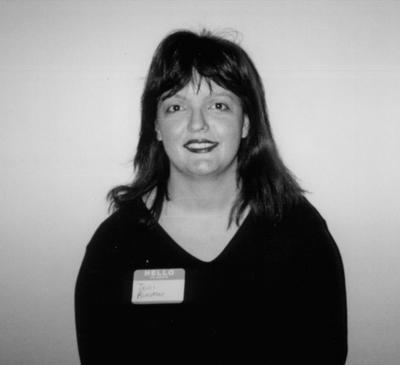
(Letter to editor I wrote to Star-Telegram)
Dear Editor:
As a birth mom who placed my newborn daughter for adoption through Gladney in August 2000, my heart broke for "Keila" in the Aug. 13th Star-Telegram article about the girl whose mom abandoned her as an infant. It baffles me why so many birth moms simply abandon their babies instead of going though the adoptive process. Before my birth daughter, who will be six tomorrow (the 15th) was born I made her a scrapbook and I send her letters, email cards, and gifts so that she will always know that I did what I did BECAUSE I love her. I even get to see her two to three times a year which is a great, unexpected, tremendous gift.
I wouldn't have given my daughter a new life any other way than how I did because I didn't want her to feel unwanted.
I hope if "Keila's" birth mom is out there she'll write her a letter or something so that this child will at least have some questions answered if nothing else.
Terri Rimmer
Dear Editor:
As a birth mom who placed my newborn daughter for adoption through Gladney in August 2000, my heart broke for "Keila" in the Aug. 13th Star-Telegram article about the girl whose mom abandoned her as an infant. It baffles me why so many birth moms simply abandon their babies instead of going though the adoptive process. Before my birth daughter, who will be six tomorrow (the 15th) was born I made her a scrapbook and I send her letters, email cards, and gifts so that she will always know that I did what I did BECAUSE I love her. I even get to see her two to three times a year which is a great, unexpected, tremendous gift.
I wouldn't have given my daughter a new life any other way than how I did because I didn't want her to feel unwanted.
I hope if "Keila's" birth mom is out there she'll write her a letter or something so that this child will at least have some questions answered if nothing else.
Terri Rimmer
Zoos Help Animals Adapt To Weather
By Terri Rimmer
The sweltering temperatures of 100 and above here in Texas have forced local zoos to make sure big creatures are kept cool.
If you live in this state you know what I mean when people ask if you think this week has been hot.
But picture yourself as a chimp named Chloe, wearing a homemade fur coat, swinging on branches in her man-made habitat.
However, she and her friends are keeping cool thanks to on-going efforts by the Dallas Zoo.
“The animals we have are pretty adaptable and they’re used to hot weather,” said Todd Bowsher, the zoo’s mammal curator in a recent interview.
However, the doctor concedes that zoos have to take measure to keep the animals cool – and they do in the way of misters, extra water, and more shade.
Treats of frozen juice and fruit are made available to the chimps, also.
On July 14th when the temperature reached 100 degrees, these mammals were rewarded with these surprises.
There is a challenge to getting to the fruity center which is good for the chimp’s mind to keep it active and also cools them off.
Despite this, though sometimes even these animal popsicles are not enough so they are allowed to go inside.
Even the elephants, giraffes and other animals get cooled down with the misters.
Over in Fort Worth, the zoo there has in place ways to make sure their animals are kept cool, said Lindsay Nantz, a zoo spokesperson.
“Most of our animals come from similar climates so they’re able to tolerate the heat,” she said.
Now a treat helps Chloe stay cool in the heat.
Even zoo visitors think it’s great what the staff is doing to help the animals keep their cool.
One visitor, Cindy Avalos, who brought her kids to see the primates, was impressed by these cooling efforts.
“It really makes a lot of sense,” she said.
By Terri Rimmer
The sweltering temperatures of 100 and above here in Texas have forced local zoos to make sure big creatures are kept cool.
If you live in this state you know what I mean when people ask if you think this week has been hot.
But picture yourself as a chimp named Chloe, wearing a homemade fur coat, swinging on branches in her man-made habitat.
However, she and her friends are keeping cool thanks to on-going efforts by the Dallas Zoo.
“The animals we have are pretty adaptable and they’re used to hot weather,” said Todd Bowsher, the zoo’s mammal curator in a recent interview.
However, the doctor concedes that zoos have to take measure to keep the animals cool – and they do in the way of misters, extra water, and more shade.
Treats of frozen juice and fruit are made available to the chimps, also.
On July 14th when the temperature reached 100 degrees, these mammals were rewarded with these surprises.
There is a challenge to getting to the fruity center which is good for the chimp’s mind to keep it active and also cools them off.
Despite this, though sometimes even these animal popsicles are not enough so they are allowed to go inside.
Even the elephants, giraffes and other animals get cooled down with the misters.
Over in Fort Worth, the zoo there has in place ways to make sure their animals are kept cool, said Lindsay Nantz, a zoo spokesperson.
“Most of our animals come from similar climates so they’re able to tolerate the heat,” she said.
Now a treat helps Chloe stay cool in the heat.
Even zoo visitors think it’s great what the staff is doing to help the animals keep their cool.
One visitor, Cindy Avalos, who brought her kids to see the primates, was impressed by these cooling efforts.
“It really makes a lot of sense,” she said.
Sunday, August 13, 2006
November 1, 2005
I was in a research study and had told a doctor there about your diagnosis.
Without any hesitation she blurted, “Oh, hunny! It’s over!”
I was shocked at her complete lack of bedside manner.
“He quit drinking,” I said.
“Too late,” she chimed in a sing-song way much to my surprise.
“How long have you been a doctor?” I finally managed to ask, trying to hide my hurt.
“Ten years,” she said.
I thought to myself, “You need to get a new profession.”
Another “normal” doctor I spoke to who I’ve known for a couple of years said that it sounded to him like you were in the late stages of liver cancer and it didn’t look good. But he was compassionate and gave me the names of some doctors.
I told him about my experience with the other doctor and he couldn’t believe it.
The kind doctor said, yes, it sounded like the cancer had probably started somewhere else.
Your doctor has now told you that chemo, radiation, nor will surgery help you because the cancer has spread throughout your body and none of those methods will help.
I can’t believe it.
Still in denial, though, I refuse to say that you might or are going to die.
You have lost so much weight except for in your stomach where the tumor is. Your legs, arms, and face are withering away, your skin is flaky and now your feet are swollen.
Once you showed me a picture of you from the 1970s when you were skinny. Ironically you always wanted to lose the weight again since you have gained weight through the years but now you have lost the weight you always wanted to lose – but how you have lost it.
Your eyes look haunting. When I look into your face I see the little boy that was once there, the one I never got to meet.
Everything is moving too fast.
Every day a different doctor tells you something different.
You don’t know who to believe.
At the M.D. Anderson Cancer Center in Houston, several hundred miles away by car they have told you they might be able to help you.
I take you around one day to get copies of all your records from the doctors.
When we walk into one lobby the staff is snooty and insensitive.
Another waiting room at another office is full of cancer patients, some bald, all quiet and I look at them thinking to myself about what you’re going through and will go through.
We eat at one of our regular spots only this time the college students don’t bother you with their loudness like they did before you got sick.
You are just matter-of-fact about them now.
It amazes me.
As we’re leaving after one of our dinners there a guy wearing leg braces and walking with crutches, falls in front of you at the front door.
You don’t hesitate and you help him up with both hands, using all of your strength to do it as his friend holds the door open.
“Thank you,” the guy with the crutches tells you and you tell him “No problem.”
The next day we’re talking on the phone and you start crying.
“I could help that guy up,” you say, referring to the guy with crutches. “Even in my condition as sick as I am and sick as I felt I helped him up.”
It’s like you are getting closer with God.
You have always helped people but now it is more personal to you.
Even your deadbeat stepson helps you carry your things in one day at work because you don’t have the strength.
Now you make fun of your friend who is just a big druggie and you realize he’s not where it’s at.
When you first got sick they put you on Darvocet and it made you mean so you got off of it.
One time you were rough with Ripley and you blew it off at the time but later felt bad and you told him and me it would never happen again.
You are going for a procedure at the hospital where they will drain the excessive fluid from your liver to give you some relief for now. I hope it goes okay. I’m worried as usual.
But you are so miserable you can’t go to the bathroom by yourself, put your shoes on, get dressed, or shower.
Your stomach is so huge it looks like you’re carrying triplets.
One of the times I come over and bring Ripley as usual and we watch movies at your house Ripley falls asleep in your arms.
“He needs a pacifier,” you joke as you look at him, lovingly.
I had put Ripley in your arms for you since you couldn’t bend over to pick him up.
Just a few weeks ago you were able to.
We watch some of our old favorite movies and some new.
A lot of comedies and nothing too serious.
You also like “Grey’s Anatomy” which you watched before you got sick and now “House.”
When there are death story lines we get quiet and I wonder what you’re thinking.
We especially like “Madagascar” and the cat in that movie reminds you of my feline.
A month ago you brought home pomegranates and started cutting them up, eagerly, telling me about how they’re supposed to be good for cancer.
I tried them for the first time and they were good.
It was the first time you’d ever bought them or eaten them.
I also researched foods that were supposed to be good for you and then you would get cravings like the time you wanted red candy apples, only I couldn’t find them anywhere.
One day you left a message on my machine, joking, saying, “Your mission if you choose to accept it is to find candy apples.”
I live on Mission Street so it was always an inside joke with us about different “missions” we’d be on.
Your ex-stepdaughter has her first child, a little girl named Katherine.
You love her as your own and are at the hospital the whole time.
Pictures are taken with her and you and you tell me from here on out that every time you hold her your pain goes away.
It’s amazing to you and you don’t know why that is.
You talk about being there for her and watching her grow up and you are hopeful.
She looks just like her mother.
She has huge eyes that follow you.
You hold her and she opens and closes her eyes, back and forth; looking up at you, then down, then up again.
You marvel at her every day and you can’t get enough of her.
One night you want me to come over but your ex-wife won’t let me and you’re pissed.
She is ranting and raving and you are too tired to fight her again.
You call me on my cell phone on the way there and tell me it’s off so I turn around and go back home.
You can no longer work.
I talk to another doctor who tells me it doesn’t look good and sounds like late-stage liver cancer.
Soon it is Thanksgiving and I go to your house for a late dinner after seeing some friends and feeling guilty for that.
You insist on making me a plate yourself and refuse to let me serve myself in any way.
I am guilt-ridden as I watch you do this and as I eat you watch TV close by, waiting for me to finish so we can talk.
I don’t let myself think that this might be your last Thanksgiving.
You have to live, I tell myself.
There is no other way.
You tell me that now you realize who your friends are and that you don’t have any friends.
I am sad for you.
Once again, your ex-wife is boycotting Christmas, only this year, because you’re sick.
I don’t know what to get you for Christmas because the one thing you need I cannot give you - survival.
I was in a research study and had told a doctor there about your diagnosis.
Without any hesitation she blurted, “Oh, hunny! It’s over!”
I was shocked at her complete lack of bedside manner.
“He quit drinking,” I said.
“Too late,” she chimed in a sing-song way much to my surprise.
“How long have you been a doctor?” I finally managed to ask, trying to hide my hurt.
“Ten years,” she said.
I thought to myself, “You need to get a new profession.”
Another “normal” doctor I spoke to who I’ve known for a couple of years said that it sounded to him like you were in the late stages of liver cancer and it didn’t look good. But he was compassionate and gave me the names of some doctors.
I told him about my experience with the other doctor and he couldn’t believe it.
The kind doctor said, yes, it sounded like the cancer had probably started somewhere else.
Your doctor has now told you that chemo, radiation, nor will surgery help you because the cancer has spread throughout your body and none of those methods will help.
I can’t believe it.
Still in denial, though, I refuse to say that you might or are going to die.
You have lost so much weight except for in your stomach where the tumor is. Your legs, arms, and face are withering away, your skin is flaky and now your feet are swollen.
Once you showed me a picture of you from the 1970s when you were skinny. Ironically you always wanted to lose the weight again since you have gained weight through the years but now you have lost the weight you always wanted to lose – but how you have lost it.
Your eyes look haunting. When I look into your face I see the little boy that was once there, the one I never got to meet.
Everything is moving too fast.
Every day a different doctor tells you something different.
You don’t know who to believe.
At the M.D. Anderson Cancer Center in Houston, several hundred miles away by car they have told you they might be able to help you.
I take you around one day to get copies of all your records from the doctors.
When we walk into one lobby the staff is snooty and insensitive.
Another waiting room at another office is full of cancer patients, some bald, all quiet and I look at them thinking to myself about what you’re going through and will go through.
We eat at one of our regular spots only this time the college students don’t bother you with their loudness like they did before you got sick.
You are just matter-of-fact about them now.
It amazes me.
As we’re leaving after one of our dinners there a guy wearing leg braces and walking with crutches, falls in front of you at the front door.
You don’t hesitate and you help him up with both hands, using all of your strength to do it as his friend holds the door open.
“Thank you,” the guy with the crutches tells you and you tell him “No problem.”
The next day we’re talking on the phone and you start crying.
“I could help that guy up,” you say, referring to the guy with crutches. “Even in my condition as sick as I am and sick as I felt I helped him up.”
It’s like you are getting closer with God.
You have always helped people but now it is more personal to you.
Even your deadbeat stepson helps you carry your things in one day at work because you don’t have the strength.
Now you make fun of your friend who is just a big druggie and you realize he’s not where it’s at.
When you first got sick they put you on Darvocet and it made you mean so you got off of it.
One time you were rough with Ripley and you blew it off at the time but later felt bad and you told him and me it would never happen again.
You are going for a procedure at the hospital where they will drain the excessive fluid from your liver to give you some relief for now. I hope it goes okay. I’m worried as usual.
But you are so miserable you can’t go to the bathroom by yourself, put your shoes on, get dressed, or shower.
Your stomach is so huge it looks like you’re carrying triplets.
One of the times I come over and bring Ripley as usual and we watch movies at your house Ripley falls asleep in your arms.
“He needs a pacifier,” you joke as you look at him, lovingly.
I had put Ripley in your arms for you since you couldn’t bend over to pick him up.
Just a few weeks ago you were able to.
We watch some of our old favorite movies and some new.
A lot of comedies and nothing too serious.
You also like “Grey’s Anatomy” which you watched before you got sick and now “House.”
When there are death story lines we get quiet and I wonder what you’re thinking.
We especially like “Madagascar” and the cat in that movie reminds you of my feline.
A month ago you brought home pomegranates and started cutting them up, eagerly, telling me about how they’re supposed to be good for cancer.
I tried them for the first time and they were good.
It was the first time you’d ever bought them or eaten them.
I also researched foods that were supposed to be good for you and then you would get cravings like the time you wanted red candy apples, only I couldn’t find them anywhere.
One day you left a message on my machine, joking, saying, “Your mission if you choose to accept it is to find candy apples.”
I live on Mission Street so it was always an inside joke with us about different “missions” we’d be on.
Your ex-stepdaughter has her first child, a little girl named Katherine.
You love her as your own and are at the hospital the whole time.
Pictures are taken with her and you and you tell me from here on out that every time you hold her your pain goes away.
It’s amazing to you and you don’t know why that is.
You talk about being there for her and watching her grow up and you are hopeful.
She looks just like her mother.
She has huge eyes that follow you.
You hold her and she opens and closes her eyes, back and forth; looking up at you, then down, then up again.
You marvel at her every day and you can’t get enough of her.
One night you want me to come over but your ex-wife won’t let me and you’re pissed.
She is ranting and raving and you are too tired to fight her again.
You call me on my cell phone on the way there and tell me it’s off so I turn around and go back home.
You can no longer work.
I talk to another doctor who tells me it doesn’t look good and sounds like late-stage liver cancer.
Soon it is Thanksgiving and I go to your house for a late dinner after seeing some friends and feeling guilty for that.
You insist on making me a plate yourself and refuse to let me serve myself in any way.
I am guilt-ridden as I watch you do this and as I eat you watch TV close by, waiting for me to finish so we can talk.
I don’t let myself think that this might be your last Thanksgiving.
You have to live, I tell myself.
There is no other way.
You tell me that now you realize who your friends are and that you don’t have any friends.
I am sad for you.
Once again, your ex-wife is boycotting Christmas, only this year, because you’re sick.
I don’t know what to get you for Christmas because the one thing you need I cannot give you - survival.
Saturday, August 12, 2006
Update: National Suicide Hotline to Operate Two Additional Weeks
As NAMI reported yesterday, the nation's largest suicide hotline, 1-800-SUICIDE, is scheduled to go out of service. But instead of this occurring on Saturday, August 12, as previously announced, the operator of this hotline has been given a two week extension. Negotiations are still in progress that may prevent the number from going out of service. However, NAMI is still urging the public to be aware that the alternative number for those in crisis is 1-800-273-TALK.
This number will put callers in touch with the federally-funded National Suicide Prevention Lifeline, a service that has been in operation since January, 2005. It functions as a central switchboard to immediately connect callers to virtually the same network of certified, local crisis centers accessed by 1-800-SUICIDE. So callers can receive counseling or emergency services, if needed, close to home.
All calls to the 1-800-273-TALK Lifeline are private and confidential. Confidentiality of personal information and of personal disclosures during calls is a high priority for the parties involved in operating the Lifeline.
The federal Substance Abuse and Mental Health Services Administration (SAMHSA) is working with the National Suicide Prevention Lifeline and the entire suicide prevention community to ensure that every call for help during a suicide crisis is answered. Some of the measures being put in place include:
Ensuring that the entire suicide-prevention community is working the phones and Internet to make sure that all referring agencies know that 1-800-273-TALK is the number to call for suicide intervention.
Notifying service providers, including directory 411 and 211 operators, that 1-800-SUICIDE is scheduled to go out of service in two weeks, and to direct callers to 1-800-273-TALK for help.
Redirecting callers who call 1-800-SUICIDE to call 1-800-273-TALK through a recording.
NAMI will continue to stay involved with these efforts and will distribute additional information as it becomes available.
NAMI urges you to help distribute this alert in your community. Together, we can ensure that every call for help is answered.
Thank you,
Michael J. Fitzpatrick, MSWExecutive Director NAMI
As NAMI reported yesterday, the nation's largest suicide hotline, 1-800-SUICIDE, is scheduled to go out of service. But instead of this occurring on Saturday, August 12, as previously announced, the operator of this hotline has been given a two week extension. Negotiations are still in progress that may prevent the number from going out of service. However, NAMI is still urging the public to be aware that the alternative number for those in crisis is 1-800-273-TALK.
This number will put callers in touch with the federally-funded National Suicide Prevention Lifeline, a service that has been in operation since January, 2005. It functions as a central switchboard to immediately connect callers to virtually the same network of certified, local crisis centers accessed by 1-800-SUICIDE. So callers can receive counseling or emergency services, if needed, close to home.
All calls to the 1-800-273-TALK Lifeline are private and confidential. Confidentiality of personal information and of personal disclosures during calls is a high priority for the parties involved in operating the Lifeline.
The federal Substance Abuse and Mental Health Services Administration (SAMHSA) is working with the National Suicide Prevention Lifeline and the entire suicide prevention community to ensure that every call for help during a suicide crisis is answered. Some of the measures being put in place include:
Ensuring that the entire suicide-prevention community is working the phones and Internet to make sure that all referring agencies know that 1-800-273-TALK is the number to call for suicide intervention.
Notifying service providers, including directory 411 and 211 operators, that 1-800-SUICIDE is scheduled to go out of service in two weeks, and to direct callers to 1-800-273-TALK for help.
Redirecting callers who call 1-800-SUICIDE to call 1-800-273-TALK through a recording.
NAMI will continue to stay involved with these efforts and will distribute additional information as it becomes available.
NAMI urges you to help distribute this alert in your community. Together, we can ensure that every call for help is answered.
Thank you,
Michael J. Fitzpatrick, MSWExecutive Director NAMI
Friday, August 11, 2006
Bush Visits a Nursing Home President George W. Bush decides it is time to do some public relations at a local Washington DC nursing home.
The President begins his "tour" down the main hallway and passes by a little old man who doesn't seem to notice him.
Sensing this, President Bush backtracks to the resident and asks, "Do you know who I am?"
The little old man looks up from his walker and says, "No, but if you go to the front desk, they will tell you your name."
Comedy Central Daily Joke, 1775 Broadway, NY, NY 10019Copyright © 1995 - 2006 Comedy Central. All rights reserved.
The President begins his "tour" down the main hallway and passes by a little old man who doesn't seem to notice him.
Sensing this, President Bush backtracks to the resident and asks, "Do you know who I am?"
The little old man looks up from his walker and says, "No, but if you go to the front desk, they will tell you your name."
Comedy Central Daily Joke, 1775 Broadway, NY, NY 10019Copyright © 1995 - 2006 Comedy Central. All rights reserved.
Oct. 24, 2005:
It was a day unlike any other when I got the news.
You told me you were going back to the doctor for another test to find out what was wrong with you since they had ruled out Hepatitis and Cirrhosis.
I’m sitting here at my computer writing an article when the phone rings and my world is changed forever.
“Okay, here’s the deal,” you say bravely. “I’ve got liver cancer.”
Inside I can’t breathe. It’s as if you are drowning suddenly and being pulled under by large waves and I cannot bring you up to the surface no matter how hard I try.
On the outside I say, “Okay” then barrage you with a million questions, something you wind up hating during the time you are alive.
You tell me what’s next and seem incredibly calm, determined to fight this thing, as you tell me, not afraid and optimistic.
You’re only 51 and we’ve been dating two years.
You’ve been at your company 19 years and promoted once, now serving as a supervisor on the night shift.
You always wanted kids and we were going to get married.
But now all that has been put on hold as you focus on what is most important – surviving.
I don’t know what to say or how to be. Only that you now have a free pass, a “Get out of Jail free” card to do whatever you want to do in your life, to me, to others, or yourself because you are now a cancer patient.
I’ve lost a lot of people in my life and some to cancer. I’ve lost some relatives and friends to cancer and even people I barely knew.
But I never had a boyfriend tell me he just found out he has cancer.
People ask me later if you knew somehow ahead of time since you talked about dying a lot, particularly the second year we dated.
I brushed those comments off at the time from you, telling myself you were just obsessed and pessimistic because of how your life was pre-cancer – full of depression, drinking, and in a bad marriage.
Now it’s been 24 hours since you gave me the news and you are heading back to the doctor for more follow-up. You don’t have great insurance but at least you have something.
Your family doctor seems pretty clueless.
Your uncle, a liver cancer survivor tells you enthusiastically that you are going to make it, that he made it and that you have nothing to worry about.
You tell your family but not your company, not yet.
All of your relatives are optimistic and rally around you via long distance phone calls.
You write your sister who lives out of town and tell her. You had just reunited with her and swapped letters and pictures and now you have to tell her that you are sick.
You haven’t seen each other in years.
I always said that I wouldn’t be a good caretaker in situations like these and I proved myself right although I surprised myself by making you laugh every chance I could to get your mind off things which you said you liked later.
You are afraid you’ll lose your job that you won’t be able to pay your bills but you aren’t afraid you’re going to die.
“I’m going to fight this thing,” you tell me. “Whatever happens, I want you to be happy. Nothing has changed. When I get better we’re going to………”
First the doctor tells you you have a huge tumor but they can’t find it, only that it is metastasis and it is shooting off lots of little baby tumors all through your body. They tell you you were probably sick two or three years before they found anything. They say alcohol is not a factor and there is a question of exactly where the cancer started. Maybe not in the liver. Maybe in the pancreas or colon but no clue.
They tell you about chemo and radiation and I cringe inside, my heart breaking as I imagine you bent over a toilet constantly after chemo, having heard horror stories about it.
I don’t want this for you. I so much don’t want you to suffer.
I just want them to find the tumor, zap it, and for things to go back to how they were.
It’s now been two days since your diagnosis and it feels like an eternity.
I have told my family and friends and prayers are being sent out.
You didn’t want people to know, didn’t want to be exploited, don’t want pity or for people to feel sorry for you.
You also don’t want to be asked constantly about your condition and you get sick of me asking how you’re feeling.
But it just seems like the only natural thing to ask and I thought to myself that if I don’t ask how uncaring does that make me seem?
Your laughter is something I miss. It resonated through the walls of my home, as you played with my dog, Ripley who you had bonded with, as you bathe him, as we crack jokes, watch movies, live in each other’s lives.
But all that has stopped now. Rarely do you laugh and when you do it doesn’t last long.
I’m still in a state of shock. I still cannot accept this though you seem to have, readily.
I can’t believe this is happening. To us. To me.
I take it personally and I’m pissed at God even though I know He has nothing to do with it, though my alcoholic recovery friends tell me it’s His will.
I refuse to accept that.
I will never submit to that.
Because if it’s God’s will that you get cancer then how do you explain how many people get it and don’t? It’s too random. What about kids and animals who get sick? How did they come to deserve it?
Your ex-wife tells you that because you cheated on her you got cancer.
She is one sick ticket.
She is directly from hell.
She tells you she’s going to make you suffer, that now it’s payback time.
I hurt for you inside. Every day I surf the Net and give you info on your condition, treatments, hope, something for you to hold on to. I never give you any of the bad stuff and sometimes it takes me a long time to find anything good to pass on to you. But I don’t want you to know the truth. That the prognosis is bad, that there’s not much good news for you.
On the fourth day since you told me you have cancer you have by now gone back to work and I come to visit you as usual only this time we sit in your car on your break and listen to some of your favorite songs, holding hands, and talking about your cancer.
You tell me that you started reading The Bible again, something you haven’t done since your Catholic childhood days. I listen, openly, not caring for the first time that I’m not religious and never have been.
“People think that Heaven is where they’re going to be reunited with the people they love,” you say. “That’s not it at all. That’s not what it’s about.”
Even though I have never believed in Heaven and Hell I am dismayed to hear this. This means that if you die I won’t be reunited with you possibly one day.
Your mom has given you some wonder recipe passed down by her Hispanic heritage that is supposed to cure you along with a litany of prayers and, of course, whatever treatment the doctors prescribe.
You try to drink this concoction daily but can’t choke it down. She implores you to try while you talk to her on the phone and you do but you can only get down a little before you gag.
But soon you are able to drink it and you do the prayers religiously, faithfully, hopefully, hoping against hope that this is the answer.
Your ex-wife often makes fun of you when she hears you on your knees praying out loud.
I think to myself that she is one messed up, cruel individual to rob you of your hope.
Or try to.
As it stands now she is not successful in robbing you of that optimism.
That comes later.
I want to take you in my arms and hold you, this big bear of a man, my love, my heart and soul. I want to comfort you, cure you, bargain with God to take me instead.
After all, you are a good person. I’m the one God wants if this is some sick master plan.
“Take me,” I beg Him. “I deserve this illness. Not him.”
I would gladly switch places with you to end your suffering, anything for you to not have to go through this hell.
Three days before Halloween and you go with me to pick up my Geisha costume for this party I go to every year. I wish you could be going with me.
Instead you marvel at the costumes and masks in the store, gazing at them in admiration and we laugh together.
On the way home you stop at a tortilla factory and buy the tamales you’ve been wanting for months that you have now decided to no longer deny yourself. You haven’t eaten them in a long time and you can’t wait to savor the delicious flavor.
I wait in the car while you go in and soon you are back with the big white bags smoking hot with delicacies, a big smile on your face.
For a moment it’s as if you’re not sick.
Then I remember you are.
The second passes so quickly that I don’t realize how meaningful this trip is for you and later I would reflect on it over and over among other memories.
We eat your treats at your place in the dining room, brightly lit with the t.v. on in the living room, sunlight pouring through the windows on what should be just a regular ole day.
But as the bottles of pills laid out on the dining room table suggest, it is not an ordinary day at all.
Nor will it ever be again.
Going to the Halloween party I felt so guilty, like “How dare I have fun?” while you’re sick. Yet you insisted I go because that’s how unselfish you are. The whole time I was there I thought about you, wishing you were there with me, unable to have a good time because you weren’t with me.
The whole time I’m there I’m wondering how you are at home, how you’re feeling, if you’re able to rest.
At this point you haven’t started any treatment because the doctors keep giving you different answers and say more tests have to be run.
You go to one center that is supposed to be great but they basically told you that without better insurance you’re out of luck.
We get information from the local American Cancer Society office about financial assistance, support groups, and other services they offer.
You fill out packets of information from various organizations hoping to get some help soon before things get really bad.
Your company is being great, your employees have rallied around you, helping you pick up the slack while you’re working, doing extra stuff when needed, and assisting you in any way they can.
I’m so glad you have such support in this area.
One day your men take up a collection of $200 for your expenses and they give it to you.
I marvel at this.
You continue to work every day and I don’t know how.
At this point you’re on Darvocet and driving back and forth to work but can barely do it. I worry about you getting in a wreck and about how you can work in your condition but you soldier on.
You have to work, you tell me. You’ve got bills to pay and I understand but I still worry.
You tell your best friend who lives next door about your diagnosis. But he’s an alcoholic and all he can do is disappear from your life, barely calling and stopping visiting.
Your neighbor across the street, with his usual demands, asks even more of you, not knowing your diagnosis. Then when he finds out he feels bad and offers to help in any way he can.
A few months before your diagnosis one of your dogs that you had for several years died of a long illness.
You used to tell me about when he was a puppy and about all your times together, walking him, teaching him tricks, and how gorgeous he was.
My mom tells me that so many people survive cancer and that there was hope, that you would be okay.
My sister was sorry to get my news about you and was her usual compassionate self.
My best friend who had heard all about you but never got to meet you was stunned and sympathetic.
Now when I send you emails I make sure they’re all happy.
I don’t want you to have a moment of sadness on top of what you have to deal with.
Every day I want to shout to people “Don’t you know my boyfriend has cancer? Don’t you see my world’s been turned upside down?”
Selfish, I know.
On the outside I appear to just care about how this affects you but inside I’m terrified of how this is affecting me.
I can’t imagine what you’re going through.
I keep thinking it’s just a bad dream and I’m going to wake up. We both say over and over that we just want to go back to how things were, rewind back to 2003 and 2004 in our high times.
We had been dating for two years.
I keep thinking about how we met in July 2003 but didn’t start dating till December of that year. I had taken my car to you to get worked on. You were recommended by a friend.
The first day I met you remember how we hit it off? We were cracking jokes while you worked on my car. It felt like I’d known you for years. There hasn’t ever been anyone like that for me. We started exchanging emails, email jokes and this went on for months as just friends.
Then on Dec. 28, 2003 all that changed.
Humor was a huge part of our relationship.
I remember your 50th birthday was a great memory for both of us. And on Valentine’s Day 2004 it snowed and stuck as you left my house in the morning for yours.
You immediately took to Ripley and loved him. You taught him tricks, bathed him weekly, and would give him treats. You two bonded as if you were his dad.
You remembered dates like no one would believe and could spin a tale with so much detail. You were so considerate, sensitive, funny, generous, protective of me, fun, and would help anyone. You helped a lot of people through the years.
You made your employees’ shifts easier with your joking attitude, always cracking jokes yet you were a great supervisor. You were a teacher and taught people many things. You rarely missed a day of work and even when you got sick and I would beg you not to go to work because you were in pain you would try to work anyway. You were always bringing me things from the company that you’d find, little treasures that people would throw out that you knew I would like.
We made a lot of plans. Going to Hawaii, getting married, maybe having a child. We had a lot of plans. You always wanted a Harley and after you were diagnosed you were going to get one but never did. You loved to cook, loved animals, and kids.
There was so much to you and I know I’ll forget to tell people many things.
You would call me “Silly Bunny,” “Baby cakes,” and “Mamasita.” I would call you “My Gingerbread Man.” You were a romantic, always surprising me with something. You were a good listener.
One of the things you told me after you were diagnosed was that I had your heart. You wrote me tons of love notes and love letters.
When your stepdaughter had her first child in October it was your pride and joy. You told me often that when you held the baby your pain went away.
Now you tell me you have found your purpose in life – To spread the word about God who you had found to kids, teenagers, your best friend and that maybe I could help you do that. You told me that when you recovered from cancer that you would be a different person and you always say, “I’m going to beat this thing.”
You always gave me compliments. You taught me a lot of things.
You used to ask me, “Will you still love me when I’m old and gray?”
You enjoyed going to Possum Kingdom Lake and Benbrook Lake to fish, swim, and boat.
Your favorite songs were the Hawaiian version of “Somewhere Over the Rainbow” and “What A Wonderful World” from the “Good Morning Vietnam” movie soundtrack.
After you were diagnosed you had a spiritual experience and spiritual awakenings along and along and you would share them with me. It was incredible to witness.
I feel so lucky to have known you.
So many didn’t know how great you were.
It was a day unlike any other when I got the news.
You told me you were going back to the doctor for another test to find out what was wrong with you since they had ruled out Hepatitis and Cirrhosis.
I’m sitting here at my computer writing an article when the phone rings and my world is changed forever.
“Okay, here’s the deal,” you say bravely. “I’ve got liver cancer.”
Inside I can’t breathe. It’s as if you are drowning suddenly and being pulled under by large waves and I cannot bring you up to the surface no matter how hard I try.
On the outside I say, “Okay” then barrage you with a million questions, something you wind up hating during the time you are alive.
You tell me what’s next and seem incredibly calm, determined to fight this thing, as you tell me, not afraid and optimistic.
You’re only 51 and we’ve been dating two years.
You’ve been at your company 19 years and promoted once, now serving as a supervisor on the night shift.
You always wanted kids and we were going to get married.
But now all that has been put on hold as you focus on what is most important – surviving.
I don’t know what to say or how to be. Only that you now have a free pass, a “Get out of Jail free” card to do whatever you want to do in your life, to me, to others, or yourself because you are now a cancer patient.
I’ve lost a lot of people in my life and some to cancer. I’ve lost some relatives and friends to cancer and even people I barely knew.
But I never had a boyfriend tell me he just found out he has cancer.
People ask me later if you knew somehow ahead of time since you talked about dying a lot, particularly the second year we dated.
I brushed those comments off at the time from you, telling myself you were just obsessed and pessimistic because of how your life was pre-cancer – full of depression, drinking, and in a bad marriage.
Now it’s been 24 hours since you gave me the news and you are heading back to the doctor for more follow-up. You don’t have great insurance but at least you have something.
Your family doctor seems pretty clueless.
Your uncle, a liver cancer survivor tells you enthusiastically that you are going to make it, that he made it and that you have nothing to worry about.
You tell your family but not your company, not yet.
All of your relatives are optimistic and rally around you via long distance phone calls.
You write your sister who lives out of town and tell her. You had just reunited with her and swapped letters and pictures and now you have to tell her that you are sick.
You haven’t seen each other in years.
I always said that I wouldn’t be a good caretaker in situations like these and I proved myself right although I surprised myself by making you laugh every chance I could to get your mind off things which you said you liked later.
You are afraid you’ll lose your job that you won’t be able to pay your bills but you aren’t afraid you’re going to die.
“I’m going to fight this thing,” you tell me. “Whatever happens, I want you to be happy. Nothing has changed. When I get better we’re going to………”
First the doctor tells you you have a huge tumor but they can’t find it, only that it is metastasis and it is shooting off lots of little baby tumors all through your body. They tell you you were probably sick two or three years before they found anything. They say alcohol is not a factor and there is a question of exactly where the cancer started. Maybe not in the liver. Maybe in the pancreas or colon but no clue.
They tell you about chemo and radiation and I cringe inside, my heart breaking as I imagine you bent over a toilet constantly after chemo, having heard horror stories about it.
I don’t want this for you. I so much don’t want you to suffer.
I just want them to find the tumor, zap it, and for things to go back to how they were.
It’s now been two days since your diagnosis and it feels like an eternity.
I have told my family and friends and prayers are being sent out.
You didn’t want people to know, didn’t want to be exploited, don’t want pity or for people to feel sorry for you.
You also don’t want to be asked constantly about your condition and you get sick of me asking how you’re feeling.
But it just seems like the only natural thing to ask and I thought to myself that if I don’t ask how uncaring does that make me seem?
Your laughter is something I miss. It resonated through the walls of my home, as you played with my dog, Ripley who you had bonded with, as you bathe him, as we crack jokes, watch movies, live in each other’s lives.
But all that has stopped now. Rarely do you laugh and when you do it doesn’t last long.
I’m still in a state of shock. I still cannot accept this though you seem to have, readily.
I can’t believe this is happening. To us. To me.
I take it personally and I’m pissed at God even though I know He has nothing to do with it, though my alcoholic recovery friends tell me it’s His will.
I refuse to accept that.
I will never submit to that.
Because if it’s God’s will that you get cancer then how do you explain how many people get it and don’t? It’s too random. What about kids and animals who get sick? How did they come to deserve it?
Your ex-wife tells you that because you cheated on her you got cancer.
She is one sick ticket.
She is directly from hell.
She tells you she’s going to make you suffer, that now it’s payback time.
I hurt for you inside. Every day I surf the Net and give you info on your condition, treatments, hope, something for you to hold on to. I never give you any of the bad stuff and sometimes it takes me a long time to find anything good to pass on to you. But I don’t want you to know the truth. That the prognosis is bad, that there’s not much good news for you.
On the fourth day since you told me you have cancer you have by now gone back to work and I come to visit you as usual only this time we sit in your car on your break and listen to some of your favorite songs, holding hands, and talking about your cancer.
You tell me that you started reading The Bible again, something you haven’t done since your Catholic childhood days. I listen, openly, not caring for the first time that I’m not religious and never have been.
“People think that Heaven is where they’re going to be reunited with the people they love,” you say. “That’s not it at all. That’s not what it’s about.”
Even though I have never believed in Heaven and Hell I am dismayed to hear this. This means that if you die I won’t be reunited with you possibly one day.
Your mom has given you some wonder recipe passed down by her Hispanic heritage that is supposed to cure you along with a litany of prayers and, of course, whatever treatment the doctors prescribe.
You try to drink this concoction daily but can’t choke it down. She implores you to try while you talk to her on the phone and you do but you can only get down a little before you gag.
But soon you are able to drink it and you do the prayers religiously, faithfully, hopefully, hoping against hope that this is the answer.
Your ex-wife often makes fun of you when she hears you on your knees praying out loud.
I think to myself that she is one messed up, cruel individual to rob you of your hope.
Or try to.
As it stands now she is not successful in robbing you of that optimism.
That comes later.
I want to take you in my arms and hold you, this big bear of a man, my love, my heart and soul. I want to comfort you, cure you, bargain with God to take me instead.
After all, you are a good person. I’m the one God wants if this is some sick master plan.
“Take me,” I beg Him. “I deserve this illness. Not him.”
I would gladly switch places with you to end your suffering, anything for you to not have to go through this hell.
Three days before Halloween and you go with me to pick up my Geisha costume for this party I go to every year. I wish you could be going with me.
Instead you marvel at the costumes and masks in the store, gazing at them in admiration and we laugh together.
On the way home you stop at a tortilla factory and buy the tamales you’ve been wanting for months that you have now decided to no longer deny yourself. You haven’t eaten them in a long time and you can’t wait to savor the delicious flavor.
I wait in the car while you go in and soon you are back with the big white bags smoking hot with delicacies, a big smile on your face.
For a moment it’s as if you’re not sick.
Then I remember you are.
The second passes so quickly that I don’t realize how meaningful this trip is for you and later I would reflect on it over and over among other memories.
We eat your treats at your place in the dining room, brightly lit with the t.v. on in the living room, sunlight pouring through the windows on what should be just a regular ole day.
But as the bottles of pills laid out on the dining room table suggest, it is not an ordinary day at all.
Nor will it ever be again.
Going to the Halloween party I felt so guilty, like “How dare I have fun?” while you’re sick. Yet you insisted I go because that’s how unselfish you are. The whole time I was there I thought about you, wishing you were there with me, unable to have a good time because you weren’t with me.
The whole time I’m there I’m wondering how you are at home, how you’re feeling, if you’re able to rest.
At this point you haven’t started any treatment because the doctors keep giving you different answers and say more tests have to be run.
You go to one center that is supposed to be great but they basically told you that without better insurance you’re out of luck.
We get information from the local American Cancer Society office about financial assistance, support groups, and other services they offer.
You fill out packets of information from various organizations hoping to get some help soon before things get really bad.
Your company is being great, your employees have rallied around you, helping you pick up the slack while you’re working, doing extra stuff when needed, and assisting you in any way they can.
I’m so glad you have such support in this area.
One day your men take up a collection of $200 for your expenses and they give it to you.
I marvel at this.
You continue to work every day and I don’t know how.
At this point you’re on Darvocet and driving back and forth to work but can barely do it. I worry about you getting in a wreck and about how you can work in your condition but you soldier on.
You have to work, you tell me. You’ve got bills to pay and I understand but I still worry.
You tell your best friend who lives next door about your diagnosis. But he’s an alcoholic and all he can do is disappear from your life, barely calling and stopping visiting.
Your neighbor across the street, with his usual demands, asks even more of you, not knowing your diagnosis. Then when he finds out he feels bad and offers to help in any way he can.
A few months before your diagnosis one of your dogs that you had for several years died of a long illness.
You used to tell me about when he was a puppy and about all your times together, walking him, teaching him tricks, and how gorgeous he was.
My mom tells me that so many people survive cancer and that there was hope, that you would be okay.
My sister was sorry to get my news about you and was her usual compassionate self.
My best friend who had heard all about you but never got to meet you was stunned and sympathetic.
Now when I send you emails I make sure they’re all happy.
I don’t want you to have a moment of sadness on top of what you have to deal with.
Every day I want to shout to people “Don’t you know my boyfriend has cancer? Don’t you see my world’s been turned upside down?”
Selfish, I know.
On the outside I appear to just care about how this affects you but inside I’m terrified of how this is affecting me.
I can’t imagine what you’re going through.
I keep thinking it’s just a bad dream and I’m going to wake up. We both say over and over that we just want to go back to how things were, rewind back to 2003 and 2004 in our high times.
We had been dating for two years.
I keep thinking about how we met in July 2003 but didn’t start dating till December of that year. I had taken my car to you to get worked on. You were recommended by a friend.
The first day I met you remember how we hit it off? We were cracking jokes while you worked on my car. It felt like I’d known you for years. There hasn’t ever been anyone like that for me. We started exchanging emails, email jokes and this went on for months as just friends.
Then on Dec. 28, 2003 all that changed.
Humor was a huge part of our relationship.
I remember your 50th birthday was a great memory for both of us. And on Valentine’s Day 2004 it snowed and stuck as you left my house in the morning for yours.
You immediately took to Ripley and loved him. You taught him tricks, bathed him weekly, and would give him treats. You two bonded as if you were his dad.
You remembered dates like no one would believe and could spin a tale with so much detail. You were so considerate, sensitive, funny, generous, protective of me, fun, and would help anyone. You helped a lot of people through the years.
You made your employees’ shifts easier with your joking attitude, always cracking jokes yet you were a great supervisor. You were a teacher and taught people many things. You rarely missed a day of work and even when you got sick and I would beg you not to go to work because you were in pain you would try to work anyway. You were always bringing me things from the company that you’d find, little treasures that people would throw out that you knew I would like.
We made a lot of plans. Going to Hawaii, getting married, maybe having a child. We had a lot of plans. You always wanted a Harley and after you were diagnosed you were going to get one but never did. You loved to cook, loved animals, and kids.
There was so much to you and I know I’ll forget to tell people many things.
You would call me “Silly Bunny,” “Baby cakes,” and “Mamasita.” I would call you “My Gingerbread Man.” You were a romantic, always surprising me with something. You were a good listener.
One of the things you told me after you were diagnosed was that I had your heart. You wrote me tons of love notes and love letters.
When your stepdaughter had her first child in October it was your pride and joy. You told me often that when you held the baby your pain went away.
Now you tell me you have found your purpose in life – To spread the word about God who you had found to kids, teenagers, your best friend and that maybe I could help you do that. You told me that when you recovered from cancer that you would be a different person and you always say, “I’m going to beat this thing.”
You always gave me compliments. You taught me a lot of things.
You used to ask me, “Will you still love me when I’m old and gray?”
You enjoyed going to Possum Kingdom Lake and Benbrook Lake to fish, swim, and boat.
Your favorite songs were the Hawaiian version of “Somewhere Over the Rainbow” and “What A Wonderful World” from the “Good Morning Vietnam” movie soundtrack.
After you were diagnosed you had a spiritual experience and spiritual awakenings along and along and you would share them with me. It was incredible to witness.
I feel so lucky to have known you.
So many didn’t know how great you were.
Monday, August 07, 2006
Aug. 6, 2006
Dear McKenna:
It’s time for your annual birthday letter again.
It’s hard to believe you’ll be six on the 15th.
I look at you and see what I really was – the childhood spirit in me.
One day when you read this, you’ll see.
Now I marvel at the child that you have become, seeing in you possibility and love, things previously unseen.
As I write this I know you have had a health problem and continue to but I am at peace knowing you are in good hands.
As you grow it’s exciting to see what you are becoming and what you will be.
Every time I show off a picture of you to my friends they always exclaim about your beauty and are in awe of our life together.
Inside of you are gifts which you will discover as you get older.
The possibilities are endless.
Through the years I have been gifted with getting to see you change, learn, and become the special spirit you are.
I love you more than I can explain.
When you become a mom one day you will see what I mean.
From the day you were born until now you have held a special place in my heart, one that is irreplaceable and a miracle.
At the age you are now you call full moons “whole moons” and every time I see one I think of you at that time, too.
After our visits I always reflect back on our time, seeing your smiling, animated, and playful face, wondering how you’re doing, praying for you always.
You are special and there is no one else like you and never will be.
I am blessed to know you, to have you in my heart and in my life.
Happy Birthday, my little miracle, my tiny joy.
I love you,
Terri
Dear McKenna:
It’s time for your annual birthday letter again.
It’s hard to believe you’ll be six on the 15th.
I look at you and see what I really was – the childhood spirit in me.
One day when you read this, you’ll see.
Now I marvel at the child that you have become, seeing in you possibility and love, things previously unseen.
As I write this I know you have had a health problem and continue to but I am at peace knowing you are in good hands.
As you grow it’s exciting to see what you are becoming and what you will be.
Every time I show off a picture of you to my friends they always exclaim about your beauty and are in awe of our life together.
Inside of you are gifts which you will discover as you get older.
The possibilities are endless.
Through the years I have been gifted with getting to see you change, learn, and become the special spirit you are.
I love you more than I can explain.
When you become a mom one day you will see what I mean.
From the day you were born until now you have held a special place in my heart, one that is irreplaceable and a miracle.
At the age you are now you call full moons “whole moons” and every time I see one I think of you at that time, too.
After our visits I always reflect back on our time, seeing your smiling, animated, and playful face, wondering how you’re doing, praying for you always.
You are special and there is no one else like you and never will be.
I am blessed to know you, to have you in my heart and in my life.
Happy Birthday, my little miracle, my tiny joy.
I love you,
Terri
Tuesday, August 01, 2006
Terri [wordtrix@hotmail.com] has sent you an article from .
Story: Heart illness can go unnoticed
Cleaning pets teeth
Heart illness can go unnoticed
12:00 AM CDT on Monday, July 31, 2006Shawn Messonnier
Dear Dr. Shawn: My cat of 13 years recently passed away after a dental cleaning. She was fine until the third day following the procedure and then she collapsed.
She was rushed to the hospital and diagnosed with high blood pressure and tachycardia with pulmonary edema. She passed away the next day and I was told she most likely had a prior heart condition that she probably lived with for a few years without any clinical signs. Why did the dental procedure make her heart condition worse?
Answer: I'm sorry to hear of your loss. Many pets do have undiagnosed heart disease, and sometimes it isn't apparent until a stress, such as boarding or an anesthetic procedure, takes place.
This is a major reason why I recommend annual checkups for pets under 5 years, and examinations for pets 5 years and older twice a year.
When heart disease is discovered during the exam, it is imperative that further testing takes place before the pet becomes ill. All pets with heart murmurs need further evaluation, which includes an EKG, chest X-rays and a heart ultrasound.
Waiting until the pet has severe heart failure makes no sense, as the heart (and the pet) is dying at this stage. In your cat's case, she probably had heart failure but was compensating for this. The stress of anesthesia was enough to bring on the edema (fluid in the lungs) and subsequent death.
I should point out though that pets with heart disease and controlled mild heart failure can and should still have their teeth cleaned, and usually suffer no harm from the procedure.
Send questions to Dr. Shawn Messonnier at Paws & Claws Animal Hospital, 2145 W. Park, Plano, TX 75075 or naturalvet@ juno.com. Visit him at www.pet carenaturally.com, and listen to his on Sirius channel 112, Tuesday at 7 p.m.
Story: Heart illness can go unnoticed
Cleaning pets teeth
Heart illness can go unnoticed
12:00 AM CDT on Monday, July 31, 2006Shawn Messonnier
Dear Dr. Shawn: My cat of 13 years recently passed away after a dental cleaning. She was fine until the third day following the procedure and then she collapsed.
She was rushed to the hospital and diagnosed with high blood pressure and tachycardia with pulmonary edema. She passed away the next day and I was told she most likely had a prior heart condition that she probably lived with for a few years without any clinical signs. Why did the dental procedure make her heart condition worse?
Answer: I'm sorry to hear of your loss. Many pets do have undiagnosed heart disease, and sometimes it isn't apparent until a stress, such as boarding or an anesthetic procedure, takes place.
This is a major reason why I recommend annual checkups for pets under 5 years, and examinations for pets 5 years and older twice a year.
When heart disease is discovered during the exam, it is imperative that further testing takes place before the pet becomes ill. All pets with heart murmurs need further evaluation, which includes an EKG, chest X-rays and a heart ultrasound.
Waiting until the pet has severe heart failure makes no sense, as the heart (and the pet) is dying at this stage. In your cat's case, she probably had heart failure but was compensating for this. The stress of anesthesia was enough to bring on the edema (fluid in the lungs) and subsequent death.
I should point out though that pets with heart disease and controlled mild heart failure can and should still have their teeth cleaned, and usually suffer no harm from the procedure.
Send questions to Dr. Shawn Messonnier at Paws & Claws Animal Hospital, 2145 W. Park, Plano, TX 75075 or naturalvet@ juno.com. Visit him at www.pet carenaturally.com, and listen to his on Sirius channel 112, Tuesday at 7 p.m.
Sunday, July 30, 2006
Tuesday, July 25, 2006
Hi. Space Center Houston had called us after we got home from space camp in June to see if McKenna could be on the cover of their magazine. Of course I said yes. You can see her “on the cover” along with some other kids at baygroupmagazines.com. Click on the left side and she’s on Pasadena and Southeast Land covers.The drama queen is so excited.
Friday, July 21, 2006
Story: 4 ways to make extra cash
4 ways to make extra cash
4 ways to make extra cash
06:32 AM CDT on Monday, July 17, 2006
From Staff and Wire Reports
Not looking for a full-time gig but wouldn't mind earning some extra cash? Here are flexible employment opportunities that don't require going back to school:
1. Substitute teach. Try filling in for teachers and getting paid by the day. Qualifications vary by district in Texas, according to sti.usu.edu. Subbing is a great fit if you enjoy interacting with children and don't want to be tied down.
2. Sell stuff from home. Consider direct sales for a company such as Tupperware, Tastefully Simple, The Pampered Chef, FoundValue or Creative Memories. You can sell products through home shows, catalogs or by appointment for a cut of 20 percent to 50 percent of the retail price.
3. Work in retail. Get a job in a store as a sales associate or stock person. You usually get a significant discount with flexible hours, and you're the first to see new trends and styles.
4. Grow your own business. Start a business based on a talent or skill that fills a niche such as organizing, custom-cake baking or dog walking.
4 ways to make extra cash
4 ways to make extra cash
06:32 AM CDT on Monday, July 17, 2006
From Staff and Wire Reports
Not looking for a full-time gig but wouldn't mind earning some extra cash? Here are flexible employment opportunities that don't require going back to school:
1. Substitute teach. Try filling in for teachers and getting paid by the day. Qualifications vary by district in Texas, according to sti.usu.edu. Subbing is a great fit if you enjoy interacting with children and don't want to be tied down.
2. Sell stuff from home. Consider direct sales for a company such as Tupperware, Tastefully Simple, The Pampered Chef, FoundValue or Creative Memories. You can sell products through home shows, catalogs or by appointment for a cut of 20 percent to 50 percent of the retail price.
3. Work in retail. Get a job in a store as a sales associate or stock person. You usually get a significant discount with flexible hours, and you're the first to see new trends and styles.
4. Grow your own business. Start a business based on a talent or skill that fills a niche such as organizing, custom-cake baking or dog walking.
Friday, July 14, 2006
Book Designers' Resource Page
Please Select a Category
Submission Standards
Create Your Cover
Create Your Text Block
-->
This page is designed as a reference tool, which will enable our customers to create and provide compliant files to Lightning Source. Please use this page to help you create your cover and as a reference for your cover and bookblock settings.
Submission Standards
Use the submission standards below to help create "Print Ready" files.
Digital File Submissions (click on)
Scan Title Submissions
"Custom" Cover Examples
Prepare Your Cover
Create Your Customized Cover Template Creating a custom cover template to Lightning Source specifications is easy. Once you complete and submit the form below, LSI will email you back a template and support files to be used to build your cover. Included in the email will be instructions for using the template, creating an appropriate PostScript file and distilling a PDF to LSI specifications.
Cover Template Creation Calculate Your Spine Width To calculate the correct spine width for your cover, enter the total number of pages, including front and back matter and any blank pages.
Spine Calculation PostScript Settings For Your Cover Select the PostScript Setting for the Platform/Application of your choice to create a PostScript file ready for distilling to a PDF file (using Adobe Acrobat).
Windows: PageMaker 7.0
Windows: QuarkXpress 5
Windows: InDesign 3.0
Macintosh: PageMaker 7.0
Macintosh: QuarkXpress 6
Macintosh: QuarkXpress 5
Macintosh: QuarkXpress 4
Macintosh: InDesign 3.0 PDF Reference Templates For Your Cover These templates may be used as a reference to determine the correct layout and dimensions for your desired cover. Completed books of 76 pages or less have special requirements regarding the design of cover art. Since a low-page-count book is so "thin", it cannot be designed with spine art or text. No straight edge artwork or text should be placed within a half-inch of the top, bottom, or side of the front or back cover. For more details, refer to the templates below or use the Custom Cover Template Creation.
5 x 8" (203 x 127mm) Perfect Bound
5.5 x 8.5" (216 x 140mm) Perfect Bound
6 x 9" (229 x 152mm) Perfect Bound
6.14 x 9.21" (234 x 156mm) Perfect Bound
6.69 x 9.61" (244 x 170 mm) (Pinched Crown) Perfect Bound
7 x 10" (254 x 178 mm) Perfect Bound
7.44 x 9.69" (246 x 189mm) Perfect Bound
7.5 x 9.25" (235 x 191mm) Perfect Bound
8.25 x 11" (280 x 210mm) Perfect Bound
8.268 x 11.693 " (297 x 210 mm) A4 Perfect Bound
5.5 x 8.5" (216 x 140mm) Casebound
6 x 9" (229 x 152mm) Casebound
6.14 x 9.21" (234 x 156mm) Casebound
7 x 10" (254 x 178 mm) Casebound
5.5 x 8.5" (216 x 140mm) Dustjacket
6 x 9" (229 x 152mm) Dustjacket
6.14 x 9.21" (234 x 156mm) Dustjacket
Prepare Your Bookblock
PostScript Settings For Your Bookblock Select the PostScript Setting for the Platform/Application of your choice to create a PostScript file ready for distilling to a PDF file (using Adobe Acrobat).
Windows: PageMaker 7.0
Windows: QuarkXpress 5
Windows: InDesign 3.0
Windows: Microsoft Word
Macintosh: PageMaker 7.0
Macintosh: QuarkXpress 6
Macintosh: QuarkXpress 5
Macintosh: QuarkXpress 4
Macintosh: InDesign 3.0
Create Your PDF file
Creating A PDF File From Your PostScript File These documents display screen captures of the Adobe Acrobat Distiller Job Options dialog boxes. They will help when distilling PDF files. Select the Distiller Setting for the Platform/Version.
Windows: Acrobat Distiller 6.0 Settings
Windows: Acrobat Distiller 5.0 Settings
Macintosh: Acrobat Distiller 6.0 Settings
Macintosh: Acrobat Distiller 5.0 Settings
Macintosh: Acrobat Distiller 4.0 Settings
Calculate Your Book Weight
To calculate the correct weight for your book (useful in planning shipping costs) you will need to enter the total number of bookblock pages in your book: do not include the front and back cover, but do include all interior and any blank pages.
Weight Calculation
Please Select a Category
Submission Standards
Create Your Cover
Create Your Text Block
-->
This page is designed as a reference tool, which will enable our customers to create and provide compliant files to Lightning Source. Please use this page to help you create your cover and as a reference for your cover and bookblock settings.
Submission Standards
Use the submission standards below to help create "Print Ready" files.
Digital File Submissions (click on)
Scan Title Submissions
"Custom" Cover Examples
Prepare Your Cover
Create Your Customized Cover Template Creating a custom cover template to Lightning Source specifications is easy. Once you complete and submit the form below, LSI will email you back a template and support files to be used to build your cover. Included in the email will be instructions for using the template, creating an appropriate PostScript file and distilling a PDF to LSI specifications.
Cover Template Creation Calculate Your Spine Width To calculate the correct spine width for your cover, enter the total number of pages, including front and back matter and any blank pages.
Spine Calculation PostScript Settings For Your Cover Select the PostScript Setting for the Platform/Application of your choice to create a PostScript file ready for distilling to a PDF file (using Adobe Acrobat).
Windows: PageMaker 7.0
Windows: QuarkXpress 5
Windows: InDesign 3.0
Macintosh: PageMaker 7.0
Macintosh: QuarkXpress 6
Macintosh: QuarkXpress 5
Macintosh: QuarkXpress 4
Macintosh: InDesign 3.0 PDF Reference Templates For Your Cover These templates may be used as a reference to determine the correct layout and dimensions for your desired cover. Completed books of 76 pages or less have special requirements regarding the design of cover art. Since a low-page-count book is so "thin", it cannot be designed with spine art or text. No straight edge artwork or text should be placed within a half-inch of the top, bottom, or side of the front or back cover. For more details, refer to the templates below or use the Custom Cover Template Creation.
5 x 8" (203 x 127mm) Perfect Bound
5.5 x 8.5" (216 x 140mm) Perfect Bound
6 x 9" (229 x 152mm) Perfect Bound
6.14 x 9.21" (234 x 156mm) Perfect Bound
6.69 x 9.61" (244 x 170 mm) (Pinched Crown) Perfect Bound
7 x 10" (254 x 178 mm) Perfect Bound
7.44 x 9.69" (246 x 189mm) Perfect Bound
7.5 x 9.25" (235 x 191mm) Perfect Bound
8.25 x 11" (280 x 210mm) Perfect Bound
8.268 x 11.693 " (297 x 210 mm) A4 Perfect Bound
5.5 x 8.5" (216 x 140mm) Casebound
6 x 9" (229 x 152mm) Casebound
6.14 x 9.21" (234 x 156mm) Casebound
7 x 10" (254 x 178 mm) Casebound
5.5 x 8.5" (216 x 140mm) Dustjacket
6 x 9" (229 x 152mm) Dustjacket
6.14 x 9.21" (234 x 156mm) Dustjacket
Prepare Your Bookblock
PostScript Settings For Your Bookblock Select the PostScript Setting for the Platform/Application of your choice to create a PostScript file ready for distilling to a PDF file (using Adobe Acrobat).
Windows: PageMaker 7.0
Windows: QuarkXpress 5
Windows: InDesign 3.0
Windows: Microsoft Word
Macintosh: PageMaker 7.0
Macintosh: QuarkXpress 6
Macintosh: QuarkXpress 5
Macintosh: QuarkXpress 4
Macintosh: InDesign 3.0
Create Your PDF file
Creating A PDF File From Your PostScript File These documents display screen captures of the Adobe Acrobat Distiller Job Options dialog boxes. They will help when distilling PDF files. Select the Distiller Setting for the Platform/Version.
Windows: Acrobat Distiller 6.0 Settings
Windows: Acrobat Distiller 5.0 Settings
Macintosh: Acrobat Distiller 6.0 Settings
Macintosh: Acrobat Distiller 5.0 Settings
Macintosh: Acrobat Distiller 4.0 Settings
Calculate Your Book Weight
To calculate the correct weight for your book (useful in planning shipping costs) you will need to enter the total number of bookblock pages in your book: do not include the front and back cover, but do include all interior and any blank pages.
Weight Calculation
Monday, July 10, 2006
Associated Content
Advanced Search for audio, video, text and images.
Publish Content
Publish Text Publish Audio Publish Video Publish Images
Select a Content type from the drop-down menu.
» Our Company» Our Community» Our Newsletters» FAQs
Positively Pregnant
MacKenzie Hope
ZOOM IMAGE +
More by Terri Rimmer
Dogster Hopes to Bring a Bit of Hap... Sisters: The Best Kind of Therapy Mobile Photographer Takes Her Work ... Leisure Time Fit for a Feline Princ...
READ LATER E-MAIL COMMENT PRINT
Positively PregnantAfter 14 Years She Didn't Think She Could Get Pregnant
Click to rate: 1 2 3 4 5 (Rated 3.0 out of 5)
By Terri Rimmer Jul 06 2006 05:49PMContact this Content Producer
January 2, 2000It couldn't be.
Tara watched the double lines begin to form with shock and a dazed expression though she didn't look in the mirror to see how truly dazed she looked.
She trusted it.
She stared at the stick for a long time before realizing what it would mean as it traveled from her head to her heart.
Two nights before on New Year's Eve she'd complained about being bored as she witnessed the multi-colored spectrum of parties on TV. And heard the rapid clicking of Alex, her boyfriend's fingers flying across his beloved computer keyboard.
She'd gone to her sister Chelsea's for Christmas a few weeks before when she slept constantly amid family chatter and the loud pitter patter of her nephew's mini adventures along the massive hardwood floors of the beach house. Tara remembered being very mad at her stepbrother for not having his son potty-trained and letting him stay up till 3 a.m., playing and waking Chelsea's girlfriend up.
And now in a truly spiritual and terrifying moment of truth, the pink stick staring back at Tara with lines for eyes "told" her she was going to have a baby!
She went to tell Alex, a surly depressive whose apartment constantly buzzed with the sounds of computers and printers, his addiction. The only color his place boasted of was the black and white of his many computer and equipment, which constituted his entire life.
He was next door at his friend's apartment, chit chatting while her life changed before her. He had been telling her she was pregnant for a month but she had firmly been in denial.
After 14 years of being told there was no physical reason she hadn't gotten pregnant, she gave up on birth control years long ago. Since her dad sexually abused her with tools she figured he must have done something to her organs.
And now here it was. She and Alex were forming a life.The door flew open downstairs now and she told Alex to come into the bathroom where she continued to stare at the double lines as if they were aliens beckoning her to join them.
He was in his usual happy-go-lucky mood, which irritated her since she was usually in a cynical, worrying mood. But now she thrust the empty box, which displayed the diagram toward him.
"You see this picture?" she asked as he smiled at her from the hallway.
She then pointed to the picture with the double lines next to it.
"Now you see this one?" she asked, anxiety rising in her voice. "This one's me."
1 2 3 4 5 6 7 8 9 10 11 12 NEXT PAGE »
Comments
Type in your comment below (1000 character max)
or
Profile: View Update
Messages: 0 new
My Clout: 8 of 10
Logout
SEARCH CONTENT
Videos
Audio Clips
Arts & Entertainment
Automotive
Business & Finance
Education
Health & Wellness
Home Improvement
Humor
Legal
Lifestyle
Local
News
Opinion/Editorial
Prose
Memoirs
Poetry
Short Stories
Recreation
Seniors
Society
Sports
Technology
Travel
Job Opportunities
Advertise With Us
Contact Us
Stickers
Newsletters
google_ad_client = "pub-8225102170299886";
google_ad_width = 120;
google_ad_height = 240;
google_ad_format = "120x240_as";
google_ad_type = "text_image";
google_ad_channel ="";
google_color_border = "FFFFFF";
google_color_link = "666666";
google_color_bg = "FFFFFF";
google_color_text = "666666";
google_color_url = "CC6600";
--->
Copyright © 2006 Associated Content. All Rights Reserved. Privacy Policy Terms of Use Site Map FAQs
_uacct = "UA-31488-1"; urchinTracker();
Advanced Search for audio, video, text and images.
Publish Content
Publish Text Publish Audio Publish Video Publish Images
Select a Content type from the drop-down menu.
» Our Company» Our Community» Our Newsletters» FAQs
Positively Pregnant
MacKenzie Hope
ZOOM IMAGE +
More by Terri Rimmer
Dogster Hopes to Bring a Bit of Hap... Sisters: The Best Kind of Therapy Mobile Photographer Takes Her Work ... Leisure Time Fit for a Feline Princ...
READ LATER E-MAIL COMMENT PRINT
Positively PregnantAfter 14 Years She Didn't Think She Could Get Pregnant
Click to rate: 1 2 3 4 5 (Rated 3.0 out of 5)
By Terri Rimmer Jul 06 2006 05:49PMContact this Content Producer
January 2, 2000It couldn't be.
Tara watched the double lines begin to form with shock and a dazed expression though she didn't look in the mirror to see how truly dazed she looked.
She trusted it.
She stared at the stick for a long time before realizing what it would mean as it traveled from her head to her heart.
Two nights before on New Year's Eve she'd complained about being bored as she witnessed the multi-colored spectrum of parties on TV. And heard the rapid clicking of Alex, her boyfriend's fingers flying across his beloved computer keyboard.
She'd gone to her sister Chelsea's for Christmas a few weeks before when she slept constantly amid family chatter and the loud pitter patter of her nephew's mini adventures along the massive hardwood floors of the beach house. Tara remembered being very mad at her stepbrother for not having his son potty-trained and letting him stay up till 3 a.m., playing and waking Chelsea's girlfriend up.
And now in a truly spiritual and terrifying moment of truth, the pink stick staring back at Tara with lines for eyes "told" her she was going to have a baby!
She went to tell Alex, a surly depressive whose apartment constantly buzzed with the sounds of computers and printers, his addiction. The only color his place boasted of was the black and white of his many computer and equipment, which constituted his entire life.
He was next door at his friend's apartment, chit chatting while her life changed before her. He had been telling her she was pregnant for a month but she had firmly been in denial.
After 14 years of being told there was no physical reason she hadn't gotten pregnant, she gave up on birth control years long ago. Since her dad sexually abused her with tools she figured he must have done something to her organs.
And now here it was. She and Alex were forming a life.The door flew open downstairs now and she told Alex to come into the bathroom where she continued to stare at the double lines as if they were aliens beckoning her to join them.
He was in his usual happy-go-lucky mood, which irritated her since she was usually in a cynical, worrying mood. But now she thrust the empty box, which displayed the diagram toward him.
"You see this picture?" she asked as he smiled at her from the hallway.
She then pointed to the picture with the double lines next to it.
"Now you see this one?" she asked, anxiety rising in her voice. "This one's me."
1 2 3 4 5 6 7 8 9 10 11 12 NEXT PAGE »
Comments
Type in your comment below (1000 character max)
or
Profile: View Update
Messages: 0 new
My Clout: 8 of 10
Logout
SEARCH CONTENT
Videos
Audio Clips
Arts & Entertainment
Automotive
Business & Finance
Education
Health & Wellness
Home Improvement
Humor
Legal
Lifestyle
Local
News
Opinion/Editorial
Prose
Memoirs
Poetry
Short Stories
Recreation
Seniors
Society
Sports
Technology
Travel
Job Opportunities
Advertise With Us
Contact Us
Stickers
Newsletters
google_ad_client = "pub-8225102170299886";
google_ad_width = 120;
google_ad_height = 240;
google_ad_format = "120x240_as";
google_ad_type = "text_image";
google_ad_channel ="";
google_color_border = "FFFFFF";
google_color_link = "666666";
google_color_bg = "FFFFFF";
google_color_text = "666666";
google_color_url = "CC6600";
--->
Copyright © 2006 Associated Content. All Rights Reserved. Privacy Policy Terms of Use Site Map FAQs
_uacct = "UA-31488-1"; urchinTracker();
Center helps runaways get back on track
It teaches youths that fleeing problems solves nothing
11:21 PM CDT on Sunday, July 9, 2006
By CHRIS COLGIN / The Dallas Morning News
JIM MAHONEY/DMN Bonnie Buccigrossi, a juvenile residential officer at the Letot Center in Dallas, provides supervision for youths at risk of entering the juvenile justice system.
Last month, Vanessa, 16, and a friend pawned their jewelry and bought two $45 bus tickets to Chicago. She left no note for her family, no telephone message, nothing.
Her father thought she might be with a guy, who might be part of a gang, which might be into drugs or worse. Her mother couldn't sleep at night; she was briefly hospitalized when stress aggravated her diabetes. They were scared, angry, worried and confused.
When Vanessa came home two weeks later, a truancy judge sentenced her to 30 days at the Letot Center for runaways. It was not a punishment; it was an intervention.
"I didn't know the consequences of me running away," she said as her 7-year-old sister held her hand and her parents sat across the table on the day of her release from Letot.
"Now I know, and I won't do it again."
The center, aided by the Dallas Police Department's High Risk Victims and Trafficking unit, has helped the city become a leader in the country for protecting its children.
"Dallas has taken the effort against child exploitation light years beyond anyone in the country," said John Rabun, vice president of the National Center for Missing and Exploited Children.
Letot, which opened in 1979, works to reunite runaways with their families whenever possible and to prevent youths from entering the juvenile justice system. For youths needing a place to stay, shelters are available for up to 30 days.
Throughout the country, about 355,000 children run away each year; 9,000 of those end up in Dallas. About 2,400 end up moving through the center.
"Letot is the largest and most comprehensive center for runaways in the country," said Sam Quattrochi, director of Letot.
In the past, Dallas police have routinely picked up runaways off the street, only to return them to possibly troubled homes where they are likely to run away again. These children are vulnerable to exploitation or becoming criminal offenders.
"What we've been doing in the past simply has not been working," said Sgt. Byron Fassett, who helped create the high-risk victims unit in November. "We've had to reinvent the wheel."
By red-flagging chronic runaways, the department is able to identify high-risk victims.
"When we started to look at all the kids that are sexually exploited, the kids that are involved in prostitution, we saw that 80 percent of those kids had run away four or more times in a 12-month period," Sgt. Fassett said.
In Dallas, child prostitutes are not treated as criminals, but as victims.
"It's easy for us to categorize runaways as problem children, troubled kids, and for everybody to push them along," Sgt. Fassett said. "When the entire system, including the parents, doesn't do its job, then the child slips between the cracks."
This nontraditional approach to juvenile police work is receiving national recognition.
"It's the walk-on-water unit," Mr. Rabun said. "It's the national model."
After runaways are interviewed by police to determine if they've been exploited by adults, police transport them to the center off Denton Drive near Harry Hines Boulevard in northwest Dallas.
"The Police Department can't solve the problem by itself; the juvenile department can't solve it by itself; CPS and social services can't solve this problem by itself. But as a system, working cooperatively together, we can make some headway to help these kids," Sgt. Fassett said.
Activities – such as group therapy, confidence-building sessions, life-skills development and family counseling – help the children open up and address the problems in their lives.
"We provide a lot of tools for them that they're not receiving outside," said Bonnie Buccigrossi, juvenile resident officer. "Journaling and art help the youth process their problems in their own minds."
The center has a 69 percent success rate at releasing children back to their parents or primary caregivers.
"Here at Letot, we try to nurture the children and the whole family," said Violet Zuniga, a Letot case manager, "but we make the most progress when the family realizes they need to change."
After Brenda Zapata, 16, physically assaulted her mother, the juvenile court gave her the choice between a $500 fine or nonresidential Letot family counseling; she opted for the counseling. With the help of Ms. Zuniga, Brenda and her mother, Maria, who agreed to be identified in this story, have been working on their communication for the past month.
Mrs. Zapata said she believes the counseling is effective. She asks her daughter about her plans for the day, and they joke with each other around the breakfast table.
"I'm glad I came here," Brenda said. "I wouldn't have understood what I did was wrong and why. Fines don't teach you anything. Letot did teach me something. Things are better at home because of it, and now I want to make something out of myself."
The center is about to undergo a $5 million fundraising campaign to build a long-term residential facility for runaways. The money would expand Letot so that children with severe issues could stay six to 12 months. New long-term programs would be aimed at building independence and responsibility in order for the runaways to have the skills they need to become adults.
"It's impossible for us to try to solve 15 years of problems in 30 days," Sgt. Fassett said. "Right now, we simply have no place to put these kids. As a result, they go right back to their destructive environments and then run away again. For us to take this to the next level, we have to have long-term secure placement for these kids."
During her stay at Letot, Vanessa spoke with counselors, peers and her family about changes she would make. She wants to be more responsible. She wants to finish school. She wants to be happy.
Vanessa and her parents were glad to be reunited after her 30-day stay at the Letot Center. Vanessa missed her mom's home-cooked food, and Vanessa's parents missed their daughter.
"I don't think I'll run away again," she said. "I don't want to anymore."
E-mail ccolgin@dallasnews.com
It teaches youths that fleeing problems solves nothing
11:21 PM CDT on Sunday, July 9, 2006
By CHRIS COLGIN / The Dallas Morning News
JIM MAHONEY/DMN Bonnie Buccigrossi, a juvenile residential officer at the Letot Center in Dallas, provides supervision for youths at risk of entering the juvenile justice system.
Last month, Vanessa, 16, and a friend pawned their jewelry and bought two $45 bus tickets to Chicago. She left no note for her family, no telephone message, nothing.
Her father thought she might be with a guy, who might be part of a gang, which might be into drugs or worse. Her mother couldn't sleep at night; she was briefly hospitalized when stress aggravated her diabetes. They were scared, angry, worried and confused.
When Vanessa came home two weeks later, a truancy judge sentenced her to 30 days at the Letot Center for runaways. It was not a punishment; it was an intervention.
"I didn't know the consequences of me running away," she said as her 7-year-old sister held her hand and her parents sat across the table on the day of her release from Letot.
"Now I know, and I won't do it again."
The center, aided by the Dallas Police Department's High Risk Victims and Trafficking unit, has helped the city become a leader in the country for protecting its children.
"Dallas has taken the effort against child exploitation light years beyond anyone in the country," said John Rabun, vice president of the National Center for Missing and Exploited Children.
Letot, which opened in 1979, works to reunite runaways with their families whenever possible and to prevent youths from entering the juvenile justice system. For youths needing a place to stay, shelters are available for up to 30 days.
Throughout the country, about 355,000 children run away each year; 9,000 of those end up in Dallas. About 2,400 end up moving through the center.
"Letot is the largest and most comprehensive center for runaways in the country," said Sam Quattrochi, director of Letot.
In the past, Dallas police have routinely picked up runaways off the street, only to return them to possibly troubled homes where they are likely to run away again. These children are vulnerable to exploitation or becoming criminal offenders.
"What we've been doing in the past simply has not been working," said Sgt. Byron Fassett, who helped create the high-risk victims unit in November. "We've had to reinvent the wheel."
By red-flagging chronic runaways, the department is able to identify high-risk victims.
"When we started to look at all the kids that are sexually exploited, the kids that are involved in prostitution, we saw that 80 percent of those kids had run away four or more times in a 12-month period," Sgt. Fassett said.
In Dallas, child prostitutes are not treated as criminals, but as victims.
"It's easy for us to categorize runaways as problem children, troubled kids, and for everybody to push them along," Sgt. Fassett said. "When the entire system, including the parents, doesn't do its job, then the child slips between the cracks."
This nontraditional approach to juvenile police work is receiving national recognition.
"It's the walk-on-water unit," Mr. Rabun said. "It's the national model."
After runaways are interviewed by police to determine if they've been exploited by adults, police transport them to the center off Denton Drive near Harry Hines Boulevard in northwest Dallas.
"The Police Department can't solve the problem by itself; the juvenile department can't solve it by itself; CPS and social services can't solve this problem by itself. But as a system, working cooperatively together, we can make some headway to help these kids," Sgt. Fassett said.
Activities – such as group therapy, confidence-building sessions, life-skills development and family counseling – help the children open up and address the problems in their lives.
"We provide a lot of tools for them that they're not receiving outside," said Bonnie Buccigrossi, juvenile resident officer. "Journaling and art help the youth process their problems in their own minds."
The center has a 69 percent success rate at releasing children back to their parents or primary caregivers.
"Here at Letot, we try to nurture the children and the whole family," said Violet Zuniga, a Letot case manager, "but we make the most progress when the family realizes they need to change."
After Brenda Zapata, 16, physically assaulted her mother, the juvenile court gave her the choice between a $500 fine or nonresidential Letot family counseling; she opted for the counseling. With the help of Ms. Zuniga, Brenda and her mother, Maria, who agreed to be identified in this story, have been working on their communication for the past month.
Mrs. Zapata said she believes the counseling is effective. She asks her daughter about her plans for the day, and they joke with each other around the breakfast table.
"I'm glad I came here," Brenda said. "I wouldn't have understood what I did was wrong and why. Fines don't teach you anything. Letot did teach me something. Things are better at home because of it, and now I want to make something out of myself."
The center is about to undergo a $5 million fundraising campaign to build a long-term residential facility for runaways. The money would expand Letot so that children with severe issues could stay six to 12 months. New long-term programs would be aimed at building independence and responsibility in order for the runaways to have the skills they need to become adults.
"It's impossible for us to try to solve 15 years of problems in 30 days," Sgt. Fassett said. "Right now, we simply have no place to put these kids. As a result, they go right back to their destructive environments and then run away again. For us to take this to the next level, we have to have long-term secure placement for these kids."
During her stay at Letot, Vanessa spoke with counselors, peers and her family about changes she would make. She wants to be more responsible. She wants to finish school. She wants to be happy.
Vanessa and her parents were glad to be reunited after her 30-day stay at the Letot Center. Vanessa missed her mom's home-cooked food, and Vanessa's parents missed their daughter.
"I don't think I'll run away again," she said. "I don't want to anymore."
E-mail ccolgin@dallasnews.com
Subscribe to:
Posts (Atom)
 Miller's Marina - Suwannee, FL
 Generosity Encompassed His Life - Fort Worth, TX
  Devoted Teacher Remembered by Many - Fort Worth, TX
 Fi(gh)t for the Cure


